Celebrating 75 Years: Royal Festival Hall’s Lasting Impact
A Cultural Landmark for Generations
As the Royal Festival Hall approaches its 75th anniversary in 2026, it stands as a profound testament to London’s enduring spirit and vibrant cultural ambition. Conceived in the immediate aftermath of World War II, this iconic venue on the bustling South Bank was built with a clear purpose: to rekindle hope and bring much-needed joy back to a city slowly recovering from the scars of conflict. For three-quarters of a century, it has served as a dynamic stage for world-class concerts, groundbreaking theatrical performances, and countless enriching community gatherings. From classical masterpieces to contemporary acts, the Hall has consistently offered a diverse and inspiring programme, making it an essential destination for locals and for those eager to visit London. Its distinctive design, once a subject of public debate, has now become synonymous with resilience and innovation, powerfully reflecting a city’s extraordinary ability to rebuild and creatively redefine itself. The Royal Festival Hall’s deep legacy is truly woven into the cultural fabric of our community, continually fostering artistic expression and enriching the lives of millions across the capital.
An Architectural Icon Embraced by the City
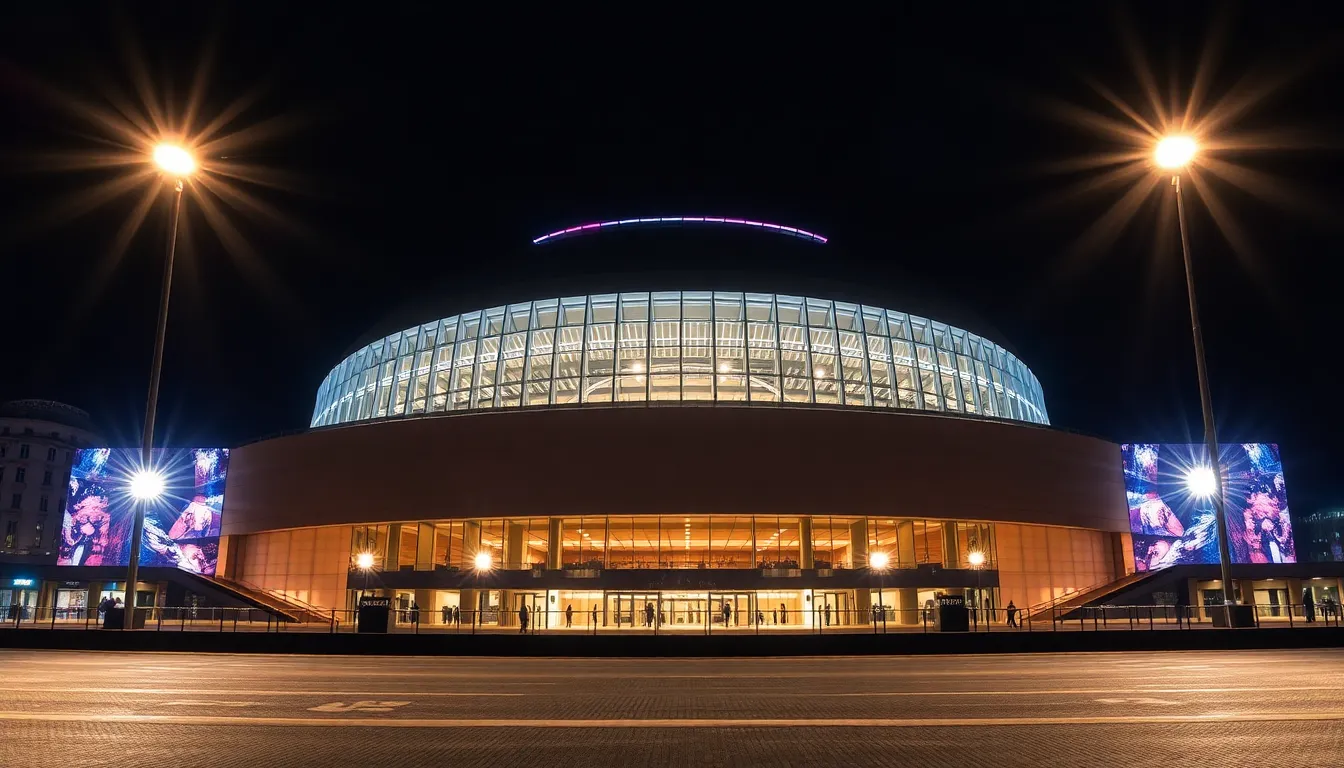
The construction of the Royal Festival Hall represented a truly monumental undertaking, transforming what was once industrial marshland into a celebrated and forward-thinking hub of culture. Designed by visionary architects Robert Matthew and Leslie Martin, its innovative “egg” structure was ingeniously engineered to optimize acoustics, ensuring an unparalleled and immersive sound experience within its main auditorium. The Hall’s striking modernist facade, richly complemented by intricate woodcraft and unique interior spaces, deliberately offers a refreshing contrast to London’s more traditional architectural landmarks like Buckingham Palace. Though initially met with mixed public reviews, its bold and progressive vision has steadily garnered widespread affection from the community. Over the decades, it has evolved from a perceived architectural anomaly into a deeply beloved emblem of progress and creativity, powerfully demonstrating how forward-thinking design can profoundly shape a city’s identity and inspire its residents. This architectural marvel truly embodies the adventurous spirit and bold vision required to transform post-war London into the vibrant cultural hotspot it remains today.
Heart of the Community: More Than Just Music
Beyond its established role as a prestigious concert venue, the Royal Festival Hall thrives as a vital and inclusive community gathering space, dedicated to enriching lives across all corners of London. It consistently hosts an impressive array of free events, engaging educational workshops, and diverse family-friendly activities, ensuring that culture is readily accessible to people of all ages and backgrounds. The Hall acts as a crucial platform for emerging local talent, fostering new artistic voices and stimulating rich cultural dialogue within the city’s creative scene. Its unwavering commitment extends to drawing both London residents and international tourists to the lively South Bank, especially through popular outdoor concerts and exhibitions that animate the riverfront throughout the year. As one of the capital’s premier london attractions, it clearly exemplifies where to go in London for a truly inclusive and diverse cultural experience. By continually strengthening community bonds through the universal languages of art, music, and shared experiences, the Royal Festival Hall proudly stands as a testament to the enduring power of culture in fostering genuine connection and a profound sense of belonging.
Source: Celebrating 75 Years of the Royal Festival Hall’s Impact | Where To Go In London