
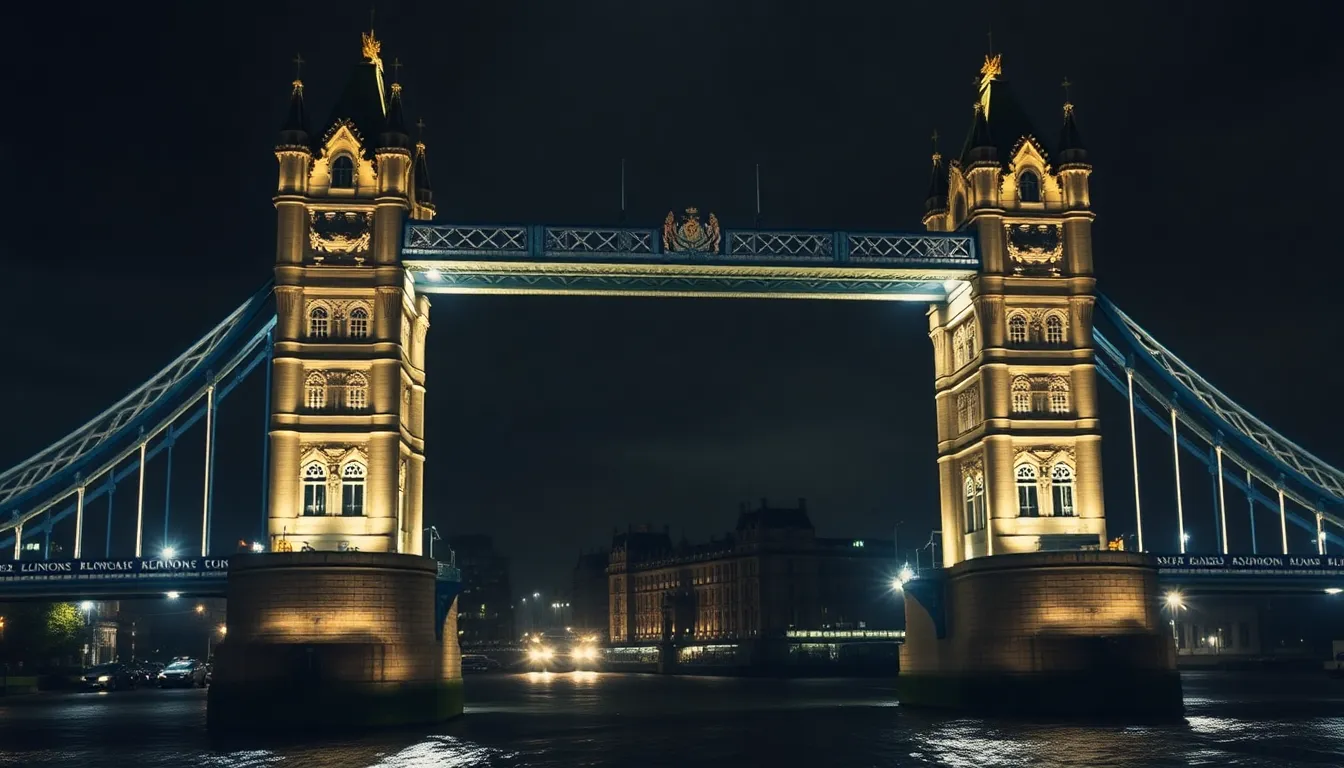
London Bridge Crises: Structural Issues Plague Thames Crossings
The Crumbling Crossings of the Thames
London’s iconic river crossings are facing an unprecedented structural crisis, leaving local residents and visitors navigating a maze of weight limits, closures, and disruptions. For those researching where to go in London, the picturesque Thames crossings are usually top of the list. However, several historic bridges are showing serious signs of wear and tear, demanding urgent repairs. Hammersmith Bridge, a 140-year-old Victorian suspension masterpiece, remains completely closed to motor traffic, significantly isolating local communities in Barnes and putting immense pressure on nearby Putney Bridge, which is now heavily congested. Meanwhile, the delicate Albert Bridge—affectionately known as the ‘trembling lady’ due to its tendency to wobble—has been closed to vehicles for up to a year following the discovery of structural fractures in its cast-iron supports. These ongoing restrictions are not just minor inconveniences; they reshape daily commutes, divert bus routes, and impact local businesses that rely on seamless cross-river travel. As transport authorities scramble to address these aging structures, the capital’s residents are left wondering how many more crossings will face restrictions before a long-term solution is funded.
Major Disruptions Near Iconic Landmarks
The structural woes are hitting the very heart of the capital’s tourism hub, affecting some of the most famous sights in the city. Visitors heading to see iconic london attractions will find that even the crossings near London Big Ben are feeling the strain. Westminster Bridge and nearby Lambeth Bridge have both been flagged by Transport for London as being in ‘very poor’ or critical condition, requiring significant intervention in the near future. While they remain open for now, weight and lane restrictions loom as distinct possibilities. More immediately, rail passengers will face massive disruptions during the summer of 2026. Hungerford Rail Bridge, which carries trains into Charing Cross, is scheduled for a complete 22-day shutdown starting in late July to undergo critical track maintenance. This closure will shut down Charing Cross mainline station entirely, forcing thousands of daily commuters and tourists to seek alternative routes. Fortunately, the adjacent Golden Jubilee footbridges will remain open, allowing pedestrians to continue enjoying their scenic walks across the river, even as the rail infrastructure underneath undergoes essential and long-overdue rehabilitation.
Practical Advice for Navigating the Capital
Further downstream, Vauxhall Bridge is introducing an 18-tonne weight limit to prevent further degradation while engineers draw up repair plans. Meanwhile, Blackfriars Bridge is undergoing a lengthy repainting and maintenance project, resulting in narrowed footpaths that can bottleneck during rush hour. The traditional hay bale hanging under Blackfriars Bridge serves as a quirky reminder of ongoing maritime maintenance, but the reality on the road remains challenging. For local residents, staying informed about these changing conditions is vital for daily planning. If you are hosting visitors or planning your own weekend outings, checking real-time travel updates is essential before deciding where to go in London. Opting for walking or cycling across the bridges is often the most reliable method of travel, as many crossings, like Hammersmith and Albert, remain fully accessible to pedestrians and cyclists even when closed to cars. Utilizing London’s extensive Underground network or river bus services can also help avoid the road bottlenecks building up around Putney and Vauxhall. While London’s historic bridges undergo these necessary phases of rejuvenation, adaptability remains key for everyone traveling through the city.
Source: Look At How Many London Bridges Have Gone A Bit Crappy