Seaside Escapes: How Kentish Towns are Thriving Close to London
The Coastal Shift: Why Londoners are Heading to Kent
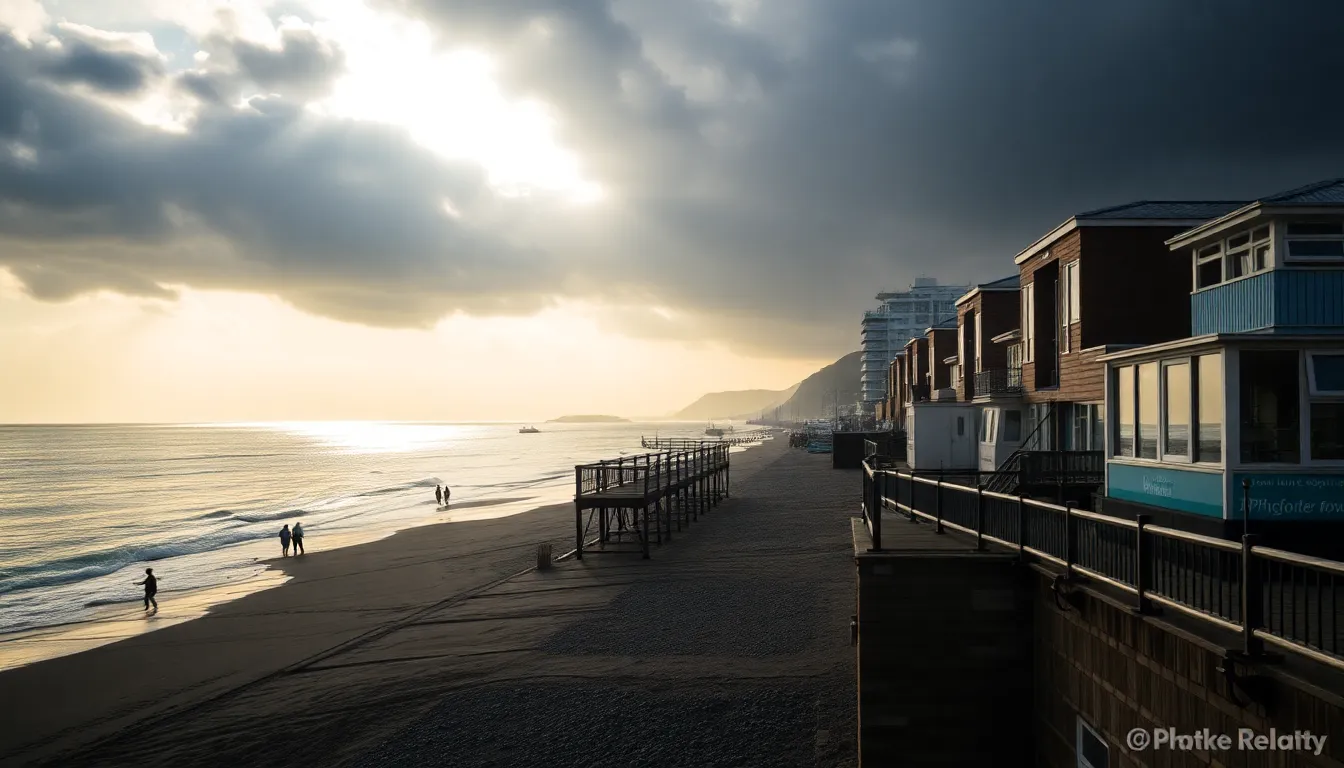
As city life gets busier, Londoners are increasingly looking beyond the typical tourist hotspots for their weekend escapes. While major london attractions draw millions of visitors daily, local residents are finding that a quick trip to the Kentish coast offers a refreshing change of pace. Just an eighty-minute train ride from St Pancras or Victoria, the charming town of Whitstable has become a favourite retreat. This influx of visitors has brought a vibrant energy to the local community, supporting independent businesses along the high street. Whitstable’s famous working harbour provides fresh oysters, which have become a massive drawcard for food lovers. Local establishments, like the whimsical pink Wheelers Oyster Bar and the inventive Bears Ice Cream Imaginarium, thrive on this seasonal tourism. For those deciding where to go in London and its surroundings, this seaside town offers a picturesque shingle beach and a deep dive into maritime heritage. It is a perfect example of how urban travel trends can positively impact and sustain smaller, historic coastal economies, keeping local traditions alive while fostering modern independent growth.
Cultural Revitalisation and Creative Growth in Margate
Further down the coast, Margate showcases a remarkable cultural revival driven by creative tourism. Once a classic Victorian holiday destination, it has reinvented itself as a modern artistic hub. The opening of the Turner Contemporary Gallery in 2011 served as a catalyst for this transformation, proving that art can rejuvenate a seaside community. Today, the town’s sandy beaches are complemented by a thriving scene of vintage shops, retro bakeries, and unique local attractions. Visitors can explore the mysterious underground passages of the Shell Grotto or visit the quirky Crab Museum, which offers an eccentric alternative to a traditional London museum experience. This blend of historic charm and contemporary culture has put Margate firmly on the map for travellers looking for unique experiences. The local economy has benefited immensely from this artistic renaissance, with old structures being repurposed into boutique accommodations and community spaces. This shift has not only boosted tourism but has also fostered a proud, creative local community that actively shapes the town’s future, making it a stellar example of coastal regeneration.
Balancing Tourism and Proud Community Identity
The growing connection between London and these Kentish towns highlights a successful model of sustainable regional tourism. Accessible rail links from major London stations make it easier than ever for residents to swap the bustling city streets for fresh sea air. However, the true success of these destinations lies in their ability to preserve their unique local identities amidst rising popularity. In Whitstable, the community-run museum preserves the rich history of the shipbuilding and oyster industries, showcasing the iconic 1820s Invicta steam locomotive. Meanwhile, Margate maintains its nostalgic seaside appeal with the historic Dreamland amusement park alongside its trendy new art galleries. By balancing the demands of modern tourism with a deep respect for local heritage, these towns ensure that they remain vibrant places to live as well as visit. For Londoners, these coastal escapes provide a vital breath of fresh air, proving that some of the best travel experiences lie just a short train ride away from the capital. This ongoing relationship continues to enrich both the urban travellers seeking respite and the coastal communities welcoming them.