1830s London Bus Etiquette: What History Reveals About Commuting
The Birth of London’s Omnibus Culture
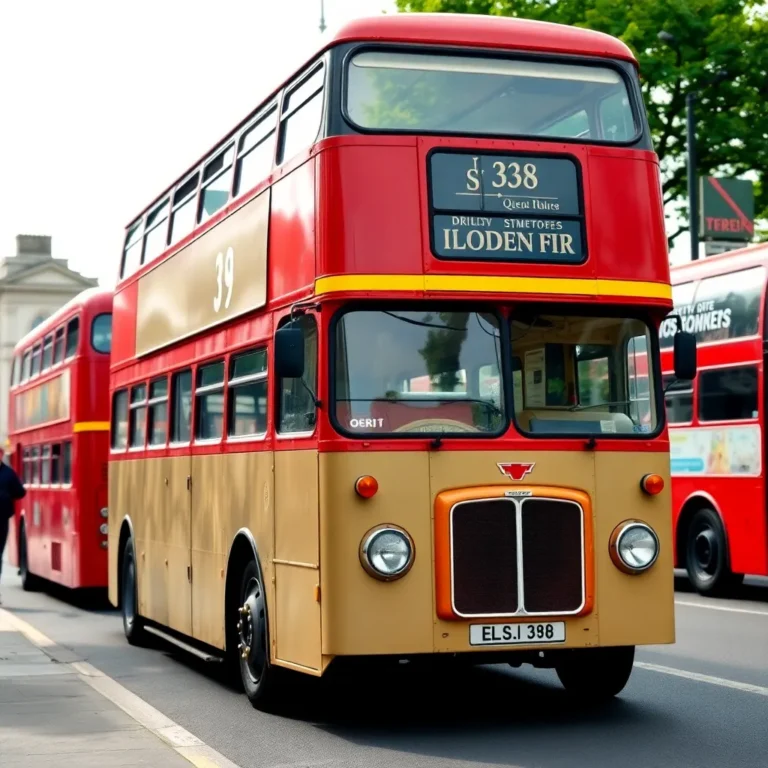
Before the Underground revolutionised commuting, London’s streets witnessed the emergence of a transportation innovation that would define urban travel for generations. George Shillibeer’s omnibuses, introduced in the early 1830s, represented a democratic shift in how Londoners moved through their city—from the wealthy using private hackney-coaches to ordinary residents accessing affordable shared transport. These cramped, horse-drawn vehicles became the first true mass transit system, connecting neighbourhoods across the capital and enabling workers, traders, and families to traverse distances previously reserved for the affluent. Located along major thoroughfares from Westminster near Whitehall London through to outlying districts, these routes fundamentally altered urban geography and accessibility. The Times newspaper recognised the cultural significance of this new mode of transport, publishing an unprecedented code of conduct in January 1836. This wasn’t merely about practicality—it represented an attempt to regulate social behaviour in London’s increasingly dense public spaces. The omnibus codified what would become enduring principles of shared urban transport, principles still recognisable today on our modern buses and the London Museum’s transport exhibitions documenting this crucial period.
The Rules That Defined Victorian Commuting
The 1836 Times ruleset reads like a snapshot of Victorian anxieties about public behaviour and social propriety. Passengers were instructed to keep feet off seats—a directive born from the practical reality that 1830s London streets were predominantly paved with horse manure. Window-opening disputes already plagued shared transport; one rule specifically addressed neighbours opening windows to admit cold air without consideration. Conductors weren’t expected to make change, suggesting most passengers carried appropriate coins in their purses rather than bank notes. The famous ‘sit with limbs straight’ instruction appears to be history’s first documented reference to what modern commuters call manspreading. Most strikingly, passengers were asked to refrain from spitting on the straw that covered omnibus floors—straw that functioned as absorbent, replaceable flooring in vehicles lacking modern ventilation. Rules against introducing large parcels, avoiding loud disputes, and respecting female passengers reflected social hierarchies of the era. Dogs were welcome, but only small lapdogs confined by string, not the mastiffs that roamed Victorian streets. These regulations reveal how Londoners negotiated shared spaces during rapid urbanisation, establishing precedents that persist on Transport for London routes today.
What This Tells Modern Londoners About Community Transport
For contemporary London residents, the 1836 omnibus rules offer more than historical curiosity—they illuminate unchanging human dynamics in shared public spaces. Nearly two centuries later, we still wrestle with similar etiquette questions: should passengers stand on specific sides of escalators? Do passengers have obligations regarding personal space and comfort? Should loud conversations be discouraged? The London exhibition halls and museums documenting transport history reveal that public transport’s social contract has always required negotiation between individual freedom and collective wellbeing. Modern TfL passengers will recognise the spirit of these rules in current guidance about keeping seats clear, having payment ready at exits, and respecting fellow travellers. What’s evolved isn’t human nature but technology—electric systems replaced horses, electronic payment replaced coin purses, yet the fundamental tension between personal convenience and communal responsibility persists. For community groups interested in London’s transport heritage, the omnibus period represents a crucial moment when ordinary Londoners first experienced large-scale public infrastructure. Understanding this history contextualises contemporary discussions about bus capacity, accessibility, and equitable urban planning. Local historical societies continue documenting these narratives, inviting residents to engage with how their neighbourhoods developed through transport innovation.