London’s Hidden Ghost Signs: A Walk Through Commercial History
Forgotten Adverts Tell Our Neighbourhood Stories
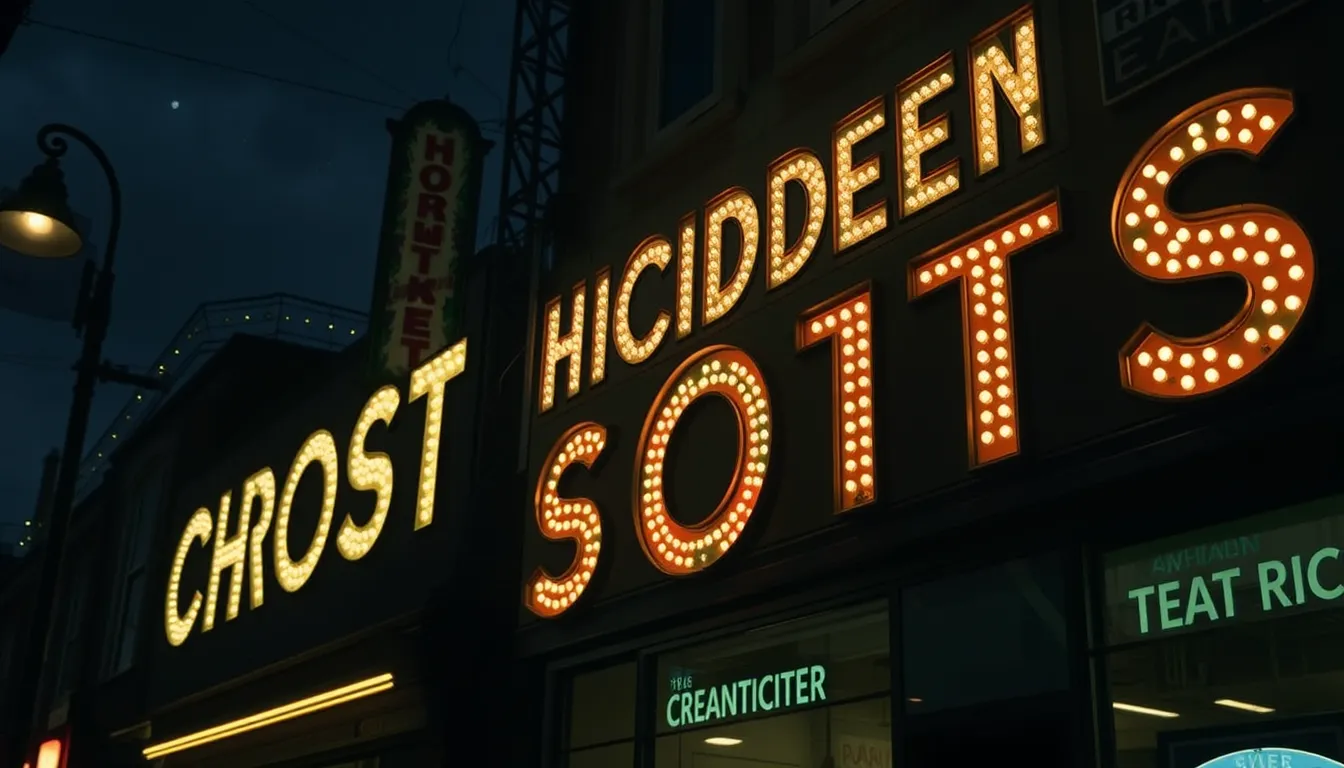
Walk through any established London neighbourhood and you’ll spot them—faded painted advertisements clinging to building walls, remnants of businesses that disappeared decades ago. These ‘ghost signs’ aren’t just curious relics; they’re tangible connections to our communities’ commercial pasts, offering glimpses into how our neighbourhoods once thrived.
From South West London’s Wandsworth Road to the heart of Soho’s hospitality district, these weathered advertisements document everything from early 20th-century cereal manufacturers to long-defunct hosiery businesses. Local historians and preservation societies across London have recognised their cultural significance, with some signs now receiving formal protection.
What makes these signs particularly fascinating is what they reveal about our communities’ evolution. The Peterkin sign near Battersea Mills, for instance, marks where Joseph Arthur Rank—later of Rank Films—briefly managed a milling operation before moving into cinema. Similarly, the J.S. Foster & Co. signage in Soho’s Tisbury Court reflects a time when French catering professionals dominated the neighbourhood, requiring bilingual advertising to attract business.
These aren’t merely nostalgic curiosities; they’re heritage assets that connect residents to their local area’s commercial roots and entrepreneurial history.
How Londoners Are Protecting These Fading Pieces of History
Local communities across London are taking action to preserve ghost signs before they disappear completely. The Peterkin custard sign on the corner of St John’s Hill and Sangora Road in Battersea represents a successful preservation case study. After a local historical society nominated it, Wandsworth Council granted it local listing status in 2016, offering legal protection against demolition or removal.
This protection matters directly to residents who value their neighbourhood’s character and historical continuity. Preservation doesn’t require expensive restoration—in many cases, simply preventing demolition and weathering maintains these painted records. The Boots chemist sign on Camden High Street demonstrates this principle: after being painted over in 1953, the original hand-lettered design has re-emerged and remains in excellent condition today, telling the story of the pharmacy’s expansion from a Nottingham foundation in 1849 to its thousandth branch.
Community groups play a crucial role in this work. By documenting signs, researching their histories, and advocating for protection, residents ensure these commercial narratives aren’t lost to development or decay. If your neighbourhood has distinctive ghost signs, connecting with local historical societies or contacting your council’s conservation team can initiate protection processes.
The effort reflects broader community commitment to preserving authentic local character against homogenisation—something increasingly valued by residents seeking meaningful connections to where they live.
What This Means for London’s Future and Your Neighbourhood
Ghost signs represent more than nostalgic decoration—they’re educational resources revealing how London’s diverse neighbourhoods functioned in earlier eras. The Nestlé signage near Wandsworth demonstrates how even major corporations’ advertising practices have evolved, particularly regarding ethical marketing standards. Similarly, the Peterkin custard case exposed early consumer protection issues, showing how London’s commercial history includes important lessons about product claims and consumer rights.
For residents, recognising and protecting these signs strengthens community identity. They’re tangible proof that your neighbourhood has depth, evolution, and stories worth preserving. Unlike London’s major attractions—whether you’re visiting Whitehall London, viewing Big Ben from Westminster, or exploring the collections at a London museum—these ghost signs exist within everyday streets where residents actually live and work.
You can take action now. Photograph any distinctive painted advertisements in your area and document their locations. Share findings with local historical societies or your council’s conservation department. Advocate for listings when significant signs face demolition threats. Support local businesses that respect architectural heritage and period details.
As London continues developing, these fading painted records become increasingly precious. They remind us that commercial history, community enterprise, and architectural character deserve preservation. Your neighbourhood’s ghost signs are waiting to tell their stories—the question is whether we’ll listen before they fade entirely.