
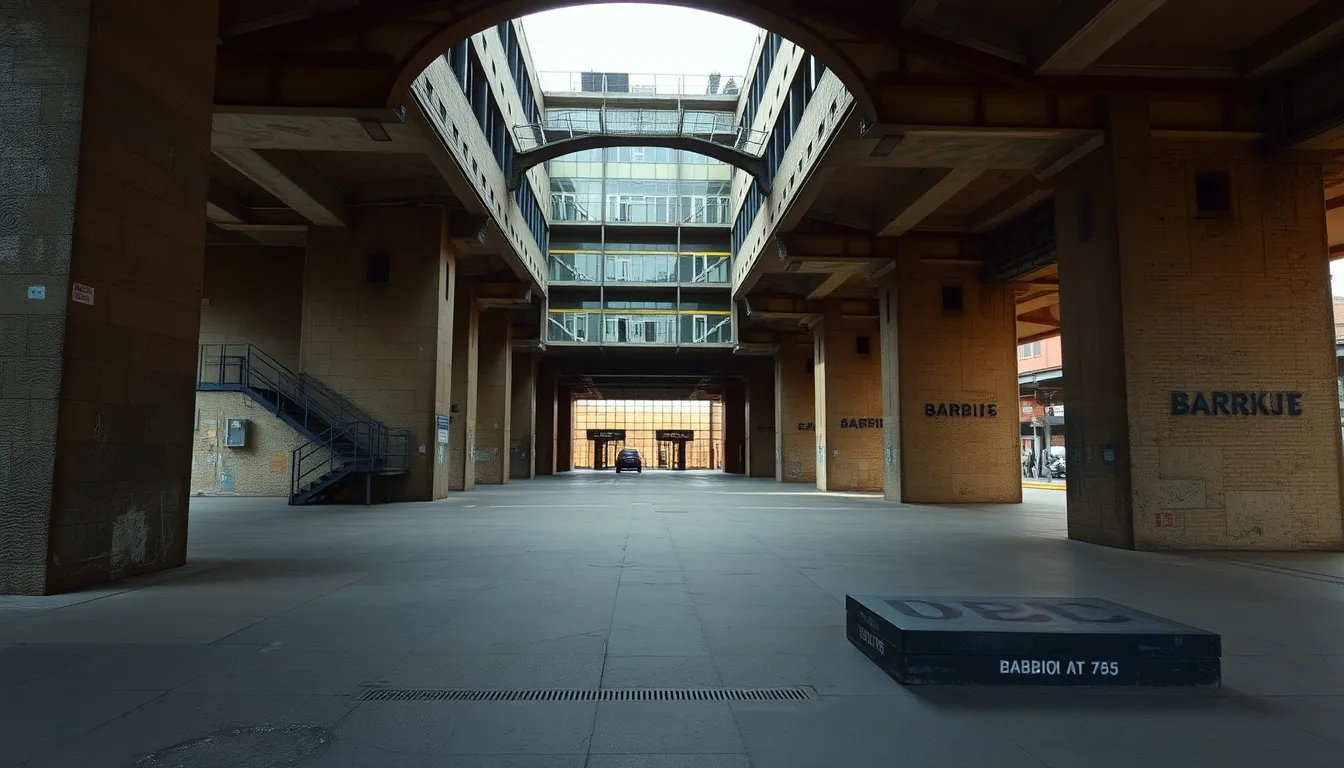
Barbican at 45: From Blitz Bombsite to Brutalist Icon
From Blitz Rubble to a Planned Neighbourhood
Walk through the Barbican today and it is hard to imagine the ground beneath your feet was once flattened by the Blitz of 1940 and 1941. By 1951, just 48 people were recorded living in the area. The City of London was still a busy place by day, with banks, insurers and traders filling the streets, but after dark and at weekends the district fell quiet. The City decided it needed a major rebuild, and what emerged was far more ambitious than a single building. The Barbican Estate of homes and the Barbican Centre were planned together, creating a self-contained community with its own lakes, terraces and walkways. Construction ran in five phases and was completed in the years leading up to the Centre’s official opening on 3 March 1982. Locals still notice the logic of that plan. The estate’s concrete towers, the winding pathways and the water features all work together, so the neighbourhood feels like a small city tucked inside the larger one. For anyone wondering how a bombsite became a place people choose to live, the answer lies in that bold decision to design the whole area from scratch.
The People Behind the Concrete
Behind the Barbican’s striking look are the architects Geoffry Powell, Christoph Bon and Joe Chamberlin, who presented their early model to the press as the project took shape. Hundreds of workers spent years on the site, and some of the most physically demanding work was the hand-finishing of the concrete walls, which were bush-hammered by hand. That repetitive labour is a reminder of the human cost behind the building’s texture, and the archive accounts of nerve damage and breathing problems are worth remembering when you run your hand over those walls. The architects also admitted their inexperience with concert hall design, which is why the Barbican Hall ended up with its wide, open shape rather than the steep proportions of traditional halls. Today the hall is closely associated with the London Symphony Orchestra, and the foyers, once furnished with Robin Day seating, host everything from performances to informal gatherings. For local businesses, cafes and the many artists and staff who depend on the Centre, the building is a working environment as much as a landmark. Its success depends on the same mix of planning, craftsmanship and community use that the original builders had in mind.
What Residents and Visitors Should Know
If you live nearby, the Barbican’s history is worth revisiting with fresh eyes. The Barbican Book and the Barbican Archives offer a rich selection of photographs, from the 1982 banquet tables set out for opening guests to the Lakeside Terrace, where the architects imagined Venetian-style waterways within the city. Pentagram’s 1991 reworking of the entrance, with nine gilded muses on a cantilevered roof, is another detail that rewards a closer look on your next visit. For anyone planning a day out, the Barbican is one of the most rewarding places to explore on foot. Grab a coffee, wander the lakeside, catch a concert or browse a London exhibition, then take a slow walk through the estate to spot the children’s routes and balconies the original writers described. It is a standout on any list of london attractions and a strong answer to where to go in London when you want culture without the crowds. Keep an eye on the Centre’s programme and local notices for guided tours and event updates. Supporting the venue by attending, eating locally and respecting the estate’s residents helps keep this unusual neighbourhood thriving for the next 45 years.
Source: From Bombsite To Brutalist Pin-Up: Photos Of The Barbican In Its Early Days
Anyone planning to visit London should set aside time to explore the Barbican’s terraced gardens, lakes, and concert halls.
The Barbican’s modernist towers stand in stark contrast to the royal grandeur of nearby buckingham palace, though both reflect London’s remarkable capacity for reinvention after wartime destruction.
Wait, that’s a sentence but let me ver