London’s Guide to Stargazing: Observatories, Clubs & Dark Skies
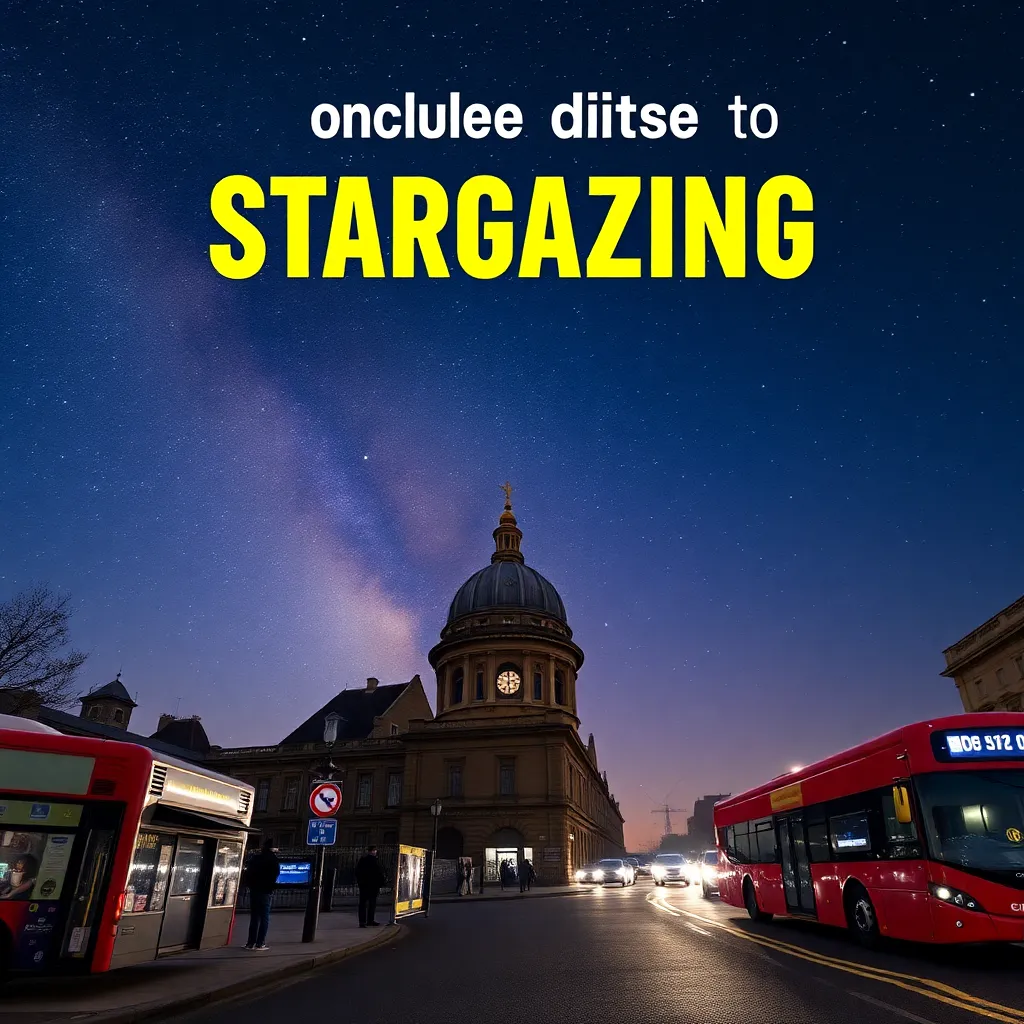
Stargazing in London, though challenged by urban light pollution, remains a surprisingly accessible hobby with numerous dedicated spots and communities. The city and its surrounds offer diverse opportunities to explore the cosmos, from historic observatories to modern astronomical societies.
Key locations include the Royal Observatory Greenwich, home to the Peter Harrison Planetarium, the Great Equatorial Telescope, and the modern Annie Maunder Astrographic Telescope (AMAT), which streams celestial events online. Other observatories providing public access or research facilities are Hampstead Observatory, UCL’s Astronomical Observatory in Mill Hill, and the Norman Fisher Observatory in Kenley, operated by the Croydon Astronomical Society. These sites often require booking and clear skies, with some offering expert guidance.
Benefits of engaging with London’s astronomy scene include access to powerful telescopes, learning from experienced astronomers, and joining supportive communities. Groups like the Baker Street Irregular Astronomers in Regent’s Park, the Flamsteed Astronomy Society at Greenwich, and the West of London Astronomical Society offer regular meetings, talks, and observing sessions. Many societies welcome beginners and provide advice on equipment.
Risks and practical considerations for stargazing in a city environment involve managing light pollution, which necessitates seeking out higher or more remote locations. Safety is paramount when visiting dark spots alone; it’s recommended to go with a friend or group. Observatories may have limited facilities (e.g., no heating, toilets, or parking), and weather unpredictability means events are often confirmed at short notice. For those wishing to purchase equipment, resources like the Royal Astronomy Society and Walton Astronomy Group offer guidance, advising that quality telescopes can be an investment, though good binoculars are a thriftier alternative.
For independent stargazing, Morden Hall Park and Ruislip Lido offer decent, relatively dark skies within London. Further afield, designated dark sky spots like Abberton Reservoir and Great Notley Country Park provide clearer views, often requiring a car due to their remote nature. Encouraging dark sky friendly lighting policies can help preserve these precious views for the future. Learning institutions like the Royal Observatory Greenwich and City Lit also provide astronomy courses for deeper understanding.
(Source: https://londonist.com/london/features/stargazing-astronomy-observatory-in-london)