Bethnal Green Museum: Uniting Victorian London’s Classes
The Bethnal Green Museum, opened in 1872 and now known as Young V&A, was a groundbreaking cultural institution that profoundly transformed the perception and social dynamics of London’s East End. Conceived as a satellite branch of the South Kensington Museum (V&A), its primary definition was to bring art and culture to the widest possible audience, particularly the working classes in a then-denigrated neighborhood.
Before its establishment, Bethnal Green was largely unknown or associated with extreme poverty, crime, and squalor, as depicted by Henry Mayhew and even Dickens. The museum’s opening marked a dramatic shift, making the area fashionable and attracting visitors from all social strata. A significant benefit was the unprecedented mixing of classes, where “statesmen and peers” mingled with “butchers, bakers, and hand-loom weavers,” fostering a unique social interaction previously unseen in London. The museum offered free entry on most days and extended evening hours, ensuring accessibility for the working poor, who often visited in prodigious numbers, including many children. This was seen as having an “elevating, refining influence” on natures unaccustomed to high art.
Despite its benefits, the museum faced initial criticisms, including the “money could be better spent” argument regarding art for the poor, and resistance to Sunday openings on religious grounds. Wealthier West Enders, while curious, sometimes engaged in “poverty tourism,” visiting as much to observe the local population as the exhibits. The opening day, attended by the Prince and Princess of Wales, was a joyous occasion, though marred by a sensationalist and dehumanizing report from The Telegraph, which sparked public anger.
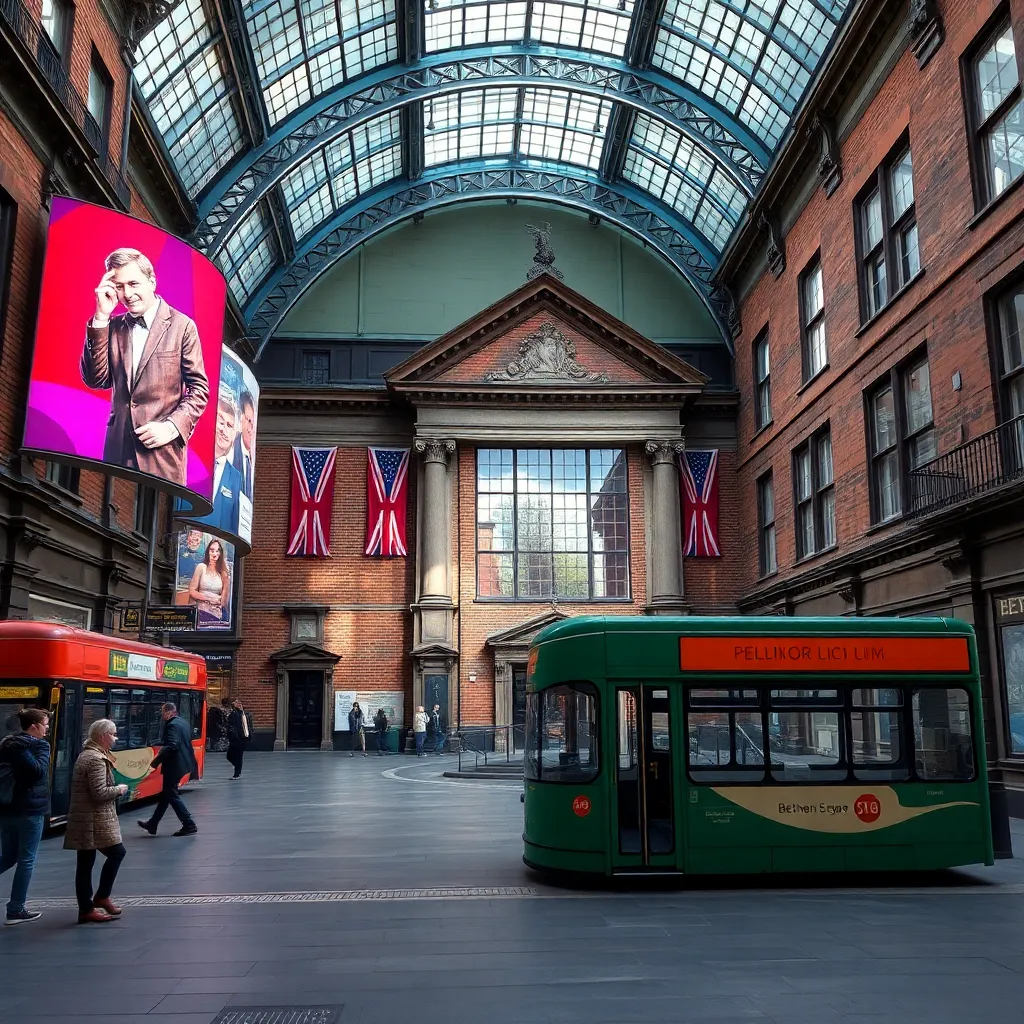
The collection, housed in a repurposed iron-frame building from the Great Exhibition, featured a diverse array of objects. Notable examples included 1,000 French art pieces from Sir Richard Wallace, royal gifts from India, and works by masters like Reubens, Rembrandt, and Gainsborough. A grand majolica fountain also graced its exterior. The museum fostered mutual curiosity between the classes, with East Enders observing the “equipage and their inmates” arriving. Having evolved into the Museum of Childhood and now Young V&A, it continues its legacy of free access and serving diverse Londoners, making Bethnal Green a recognized cultural destination.
(Source: https://londonist.com/london/history/bethnal-green-museum)