
Robotaxis Coming to London Streets: What You Need to Know
Robotaxis Are Coming to Your Neighbourhood—Here’s the Timeline
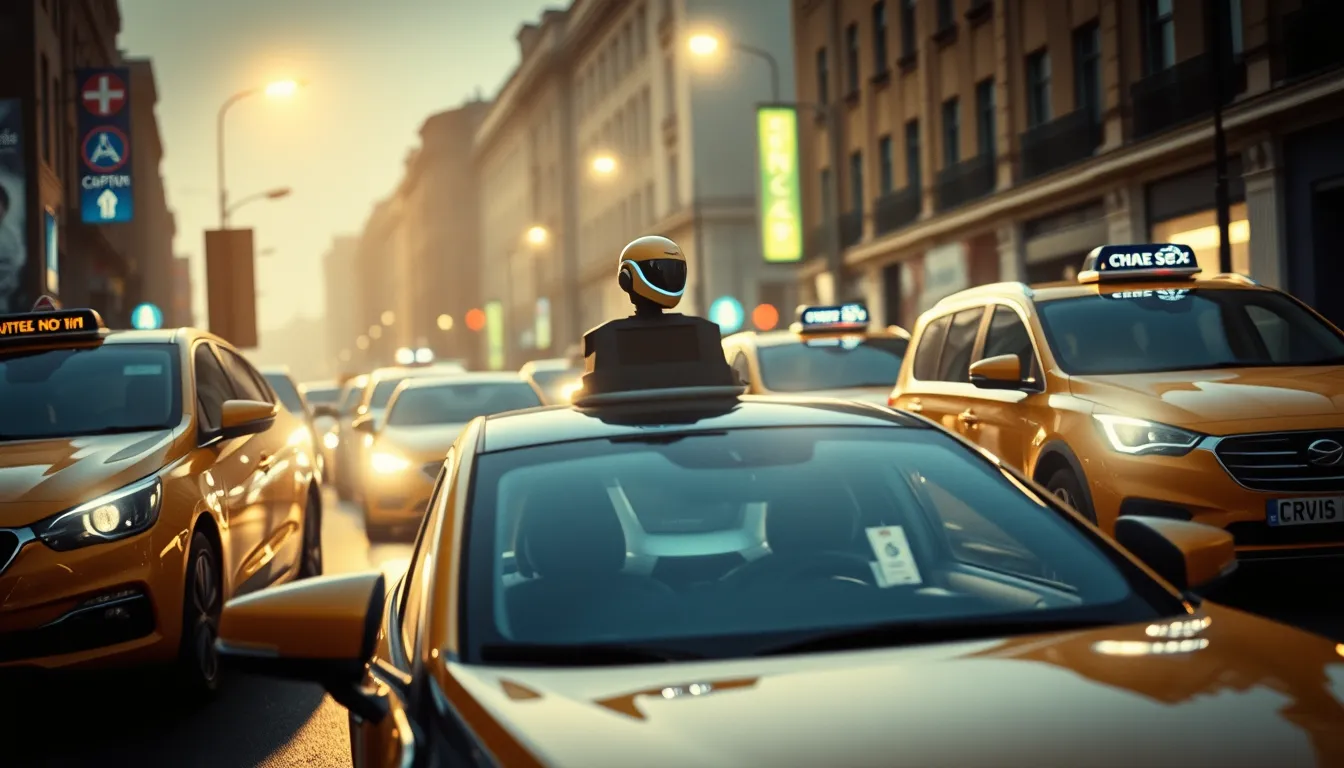
If you’ve noticed unusual vehicles being tested on London’s streets lately, you’re witnessing the future of transport. The Automated Vehicles Act of 2024 has paved the way for driverless taxis to operate legally across the capital, with full implementation expected in the second half of 2027. This means within the next few years, residents travelling between iconic destinations like Big Ben, Whitehall London, and our world-class London museums could be riding in vehicles with no human driver at the wheel. Currently, London is hosting trials by three major players: Wayve (partnered with Uber), Waymo (Google’s autonomous subsidiary), and Baidu’s Apollo Go service (working with Lyft). These companies are testing 24/7 operations across various neighbourhoods, gathering crucial data on how driverless vehicles navigate our famously complex street layouts. The trials represent a significant shift in urban mobility—and Londoners are already able to register their interest in becoming early adopters. Transport for London has given these trials the green light, viewing them as essential to understanding both the opportunities and potential challenges these vehicles present for our congested capital.
How This Affects London’s Taxi Drivers and the Gig Economy
For generations, London’s black cab drivers have been the backbone of the city’s transport system, armed with extensive knowledge earned through years of studying our Byzantine street network. Today, they face an existential question: what role will human expertise play in an automated future? The Licensed Taxi Drivers’ Association expresses measured scepticism rather than panic, with general secretary Steven McNamara highlighting legitimate concerns—London’s medieval road layouts, congested thoroughfares, and pedestrians who seemingly ignore traffic rules present genuine challenges for autonomous systems. Black cab drivers point out that mastering the Knowledge—the famous system requiring years of study—represents something no algorithm has replicated. However, the threat extends beyond black cabs. Uber drivers, who once disrupted the traditional taxi industry, now face potential obsolescence as their employer actively develops robotaxi services. The irony isn’t lost on many gig workers who helped Uber expand, only to watch the company pivot toward eliminating human drivers entirely. For local transport workers, this transition raises urgent questions about retraining programmes, job security, and whether London’s communities will support drivers being displaced by automation.
What Londoners Should Do Now and What to Watch Next
As robotaxi technology rolls out across London’s neighbourhoods, residents should stay informed and engaged with this transformation. If you’re curious about the technology, both Wayve and Waymo are actively recruiting early participants for their London trials—registering your interest gives you firsthand experience while helping companies understand real-world performance. Attend local community meetings where robotaxi impacts are discussed; contact your local councillor about concerns regarding safety, traffic flow, or driver displacement in your area. Visit London’s museums and exhibitions to explore how technology is reshaping urban life—understanding the broader context helps you form informed opinions. For transport workers, now is the time to advocate for comprehensive retraining programmes and fair transition policies. TfL’s commitment to understanding CAV challenges means your community feedback matters. Watch for announcements about safety regulations, insurance requirements, and accessibility standards—these details will shape how robotaxis operate in practice. By 2027, when full implementation arrives, Londoners who’ve been paying attention will be better positioned to shape how this technology integrates into our city’s transport ecosystem, ensuring innovation serves everyone.