Robotaxis Coming to London Streets: What You Need to Know
Robotaxis Are Coming to London—Here’s What’s Happening
For decades, driverless vehicle technology remained locked away in laboratories and testing grounds. But London’s transport landscape is about to transform dramatically. The Automated Vehicles Act of 2024 paves the way for robotaxis to operate legally on our streets from the second half of 2027—less than three years away.
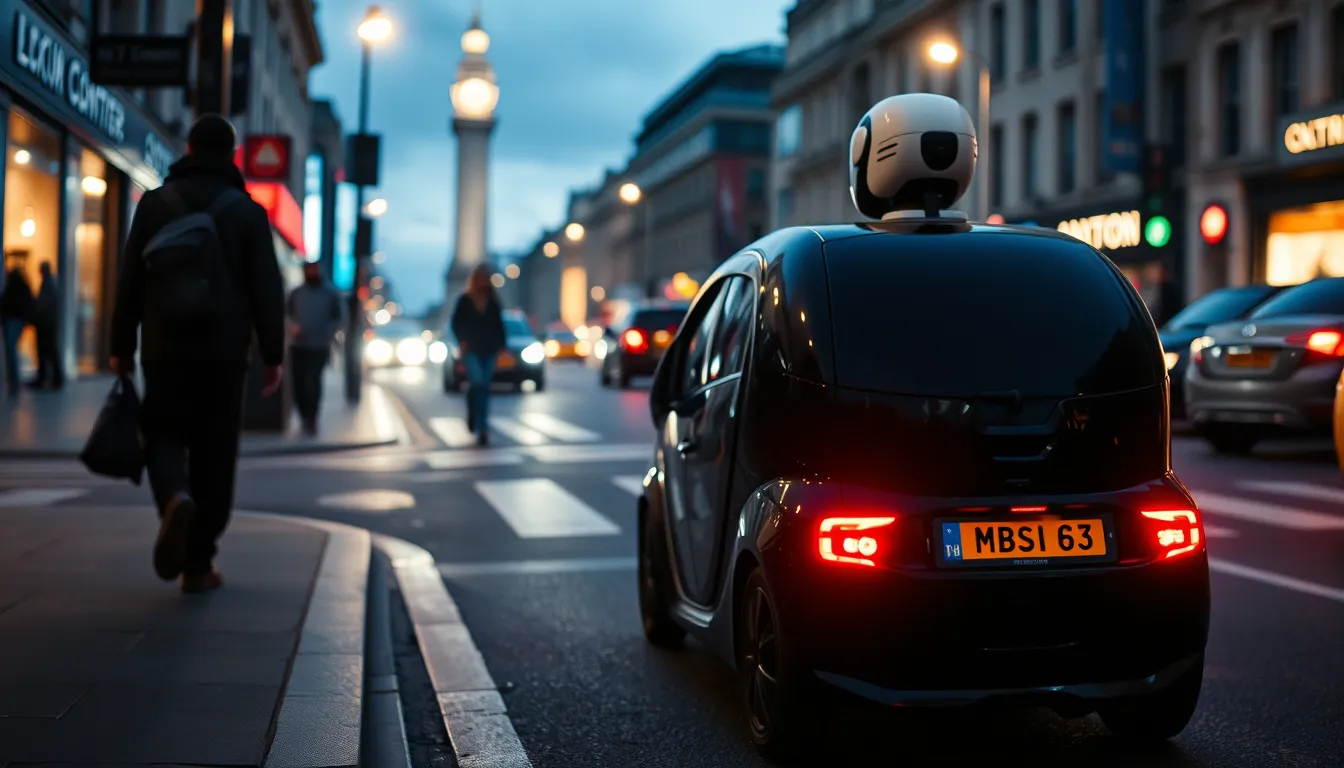
Right now, trials are already underway across London’s neighbourhoods, with companies like Wayve (partnering with Uber), Waymo (Google’s autonomous division), and Baidu (with Lyft) testing their vehicles in real-world conditions. These aren’t futuristic prototypes anymore; they’re 24/7 operations navigating our congested roads.
Transport for London (TfL) has given the green light to these trials, viewing them as essential to understanding how autonomous vehicles will reshape urban mobility. The authority recognises that proper testing now means safer, more efficient services later. For Londoners, this represents a fundamental shift in how we think about getting around the city—comparable to when London museums first documented the capital’s transport evolution from horse-drawn carriages to the Underground.
How This Affects London’s Taxi Drivers and Transport Workers
Our city’s iconic black cab drivers—guardians of the famous Knowledge that’s required them to memorise every street, landmark, and route in London—face genuine uncertainty. The Licensed Taxi Drivers’ Association, led by general secretary Steven McNamara, expresses scepticism rather than outright panic, arguing that London’s medieval street layout, pedestrian behaviour, and complex traffic patterns demand human expertise.
“It’s like comparing a hotdog vendor to Gordon Ramsay,” one cabbie told American broadcaster Anderson Cooper—a sentiment reflecting years of mastered experience. However, concerns run deeper for ride-share drivers working through apps like Uber, who may face redundancy as companies transition toward autonomous fleets.
The real issue is timing and transition support. While robotaxis promise efficiency, thousands of London residents depend on driving work for their livelihoods. Local transport unions and community groups are beginning advocacy efforts, demanding that any rollout includes retraining programmes and economic protection for affected workers. The coming years will test whether technology’s advancement considers human consequence.
What Londoners Should Know and Do Next
You can already register interest with Wayve/Uber and Waymo to ride in their driverless vehicles during trials. This isn’t just curiosity—it’s genuine testing that shapes how these services ultimately function. Your feedback matters as companies refine their technology.
For residents in testing zones (currently scattered across London), expect increased autonomous vehicle presence and associated noise or traffic changes. Community groups should engage with TfL consultations about trial locations and impacts on neighbourhood amenities.
Larger questions deserve attention: How will robotaxis affect London’s transport equality—will outer boroughs receive the same service as central areas near landmarks like Big Ben and Whitehall London? What happens to the hospitality jobs supporting London exhibition and museum workers who rely on taxi accessibility? Will insurance and liability frameworks protect passengers adequately?
Stay informed through local council meetings and TfL updates. Report issues or concerns to your local representatives. The next three years will determine whether robotaxis enhance London’s mobility or create new inequalities. The conversation happening now—between residents, workers, and transport authorities—shapes the London we’ll navigate in 2028 and beyond.