
Victorian Floating Baths: London’s Forgotten Thames Swimming Pool
A Dip in the Thames, Victorian Style
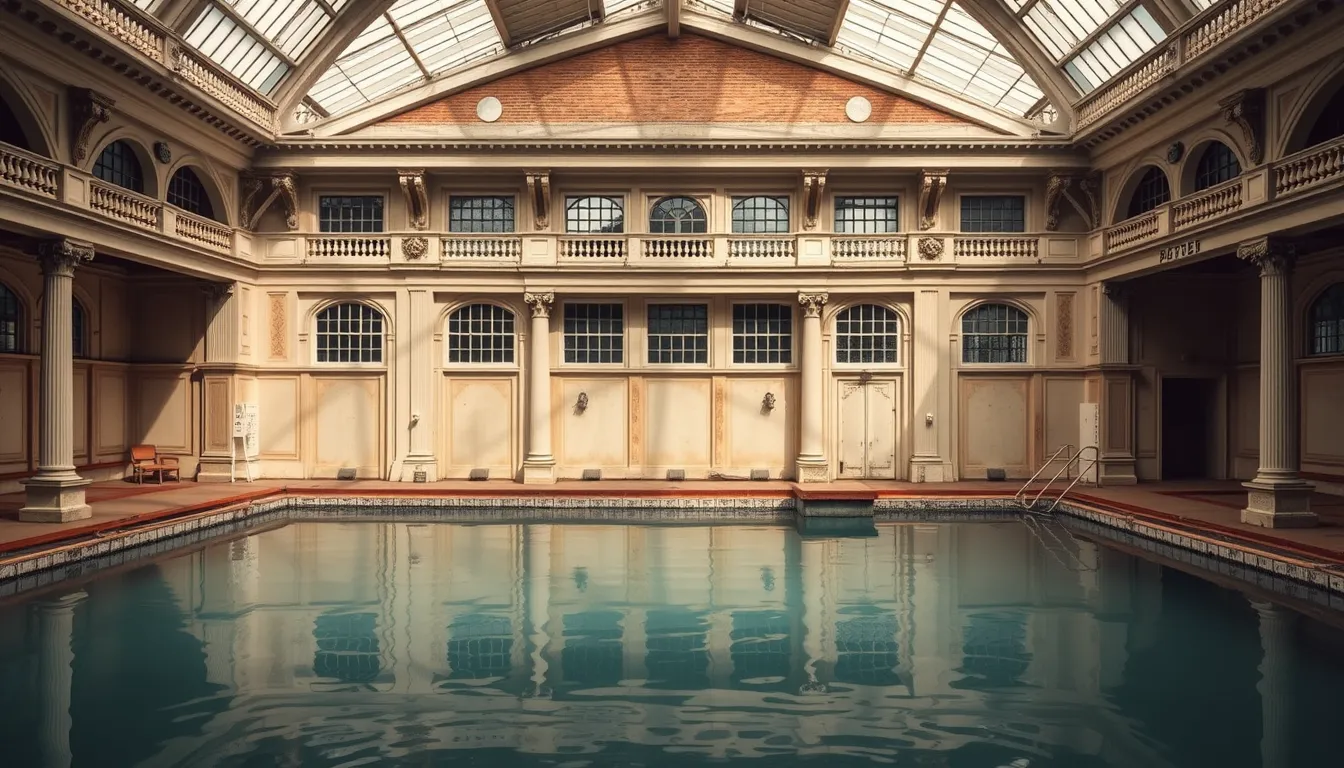
Imagine taking a swim in the Thames, with the river’s reputation for grime and the bustle of passing boats. For a short stretch between 1875 and 1885, Londoners could do exactly that, without ever touching the open water. Moored beside Hungerford Bridge at Charing Cross, a floating swimming pool bobbed on the river. It was not a pool on the riverbank but a barge with a large tank of river water built into it, and bathers climbed in from the deck. The idea was to offer the thrill of a river swim in a sheltered, controlled setting.
If you walk the Embankment today, you can still get a feel for the spot. Stand near the railway station and look toward the water, and you are roughly where the baths once floated. The area is busy now, with commuters crossing the bridge and tourists heading toward Whitehall and Big Ben. Few of them know that a glass-roofed swimming barge once sat just a stone’s throw from those landmarks.
The baths were a clever compromise. Bathing in the Thames itself was dangerous and unpleasant, so the designers drew water from the river into a sealed structure. Supporters argued it gave people a safe place to learn to swim. Whether the water was truly clean enough to be a comfort is another question, and one that history answers less happily than the advertisements did.
Who Built It and Why It Mattered
The project was the brainchild of the Floating Swimming Baths Company, which appealed to investors in the national press in 1873. Its design came from Captain Julius Roberts, with engineering by Edward Perrett, and it drew on floating baths already popular on the River Seine in Paris. The glass-framed structure, built from wood, zinc and iron and painted in blue and white, was assembled at the Thames Ironworks and Shipbuilding Company in Canning Town. That yard was famous for building HMS Warrior and, later, for helping found West Ham United.
The public benefit was real. At the time, many people could not swim, and drowning claimed hundreds of lives every year. The company promised swimming lessons from experienced instructors and public competitions to encourage the skill. The business case was also simple: traditional pools had to pay heavy water rates, while a floating pool could use river water for free. That made the venture attractive to shareholders.
The Thames itself was a danger to swimmers and passengers alike. The sinking of the Princess Alice near Beckton in 1878 killed more than 600 people, most of whom drowned in the polluted water. Its tragedy shows how unsafe the river could be, and it casts a shadow over the enthusiasm for swimming in it. For local historians, the baths sit at the intersection of public health, Victorian enterprise and an urban river that was only beginning to be cleaned up.
What It Means for Londoners Today
For residents, the story of the floating baths is a reminder of how much the riverside has changed. Today the Thames is far cleaner, and swimming in central London is a matter of licensed lidos and leisure centres rather than a barge on the water. If you want to see the area for yourself, start at Charing Cross, walk along the Victoria Embankment, and take in the view of Hungerford Bridge. Continue toward Whitehall and Big Ben, then stop at a nearby museum or exhibition to learn more about the city’s relationship with its river. It is one of the easiest and most rewarding walks for anyone looking for london attractions or where to go in London on a weekday afternoon.
If history is your interest, you can also read the original feature on Londonist’s Time Machine newsletter, which covers Victorian London in more depth. Local libraries and the London Metropolitan Archives hold newspapers from the 1870s, including reports of the baths and the public reaction to them, so residents can check the sources themselves.
As for what to watch next, Thames-side development and riverside walking routes continue to shape how people use the Embankment. Keep an eye on local consultations about public spaces, since they often affect where visitors can stop, sit and look out over the water. The floating baths may be long gone, but the river still draws Londoners to its banks, and that is worth celebrating.
Source: A Swim In The Floating Baths Of Charing Cross
Anyone planning to visit London Victorian-era landmarks can still glimpse traces of the city’s historic riverside bathing culture today.
Just a short walk from buckingham palace, the Thames once hosted floating bathhouses where Victorian Londoners swam in the river before it became too polluted.
Historical records of London’s floating baths, including ship plans and bathing regulations, can still be studied in the british museum‘s archives.