Heston Airport: London’s Forgotten Aviation Hub and Wartime Base
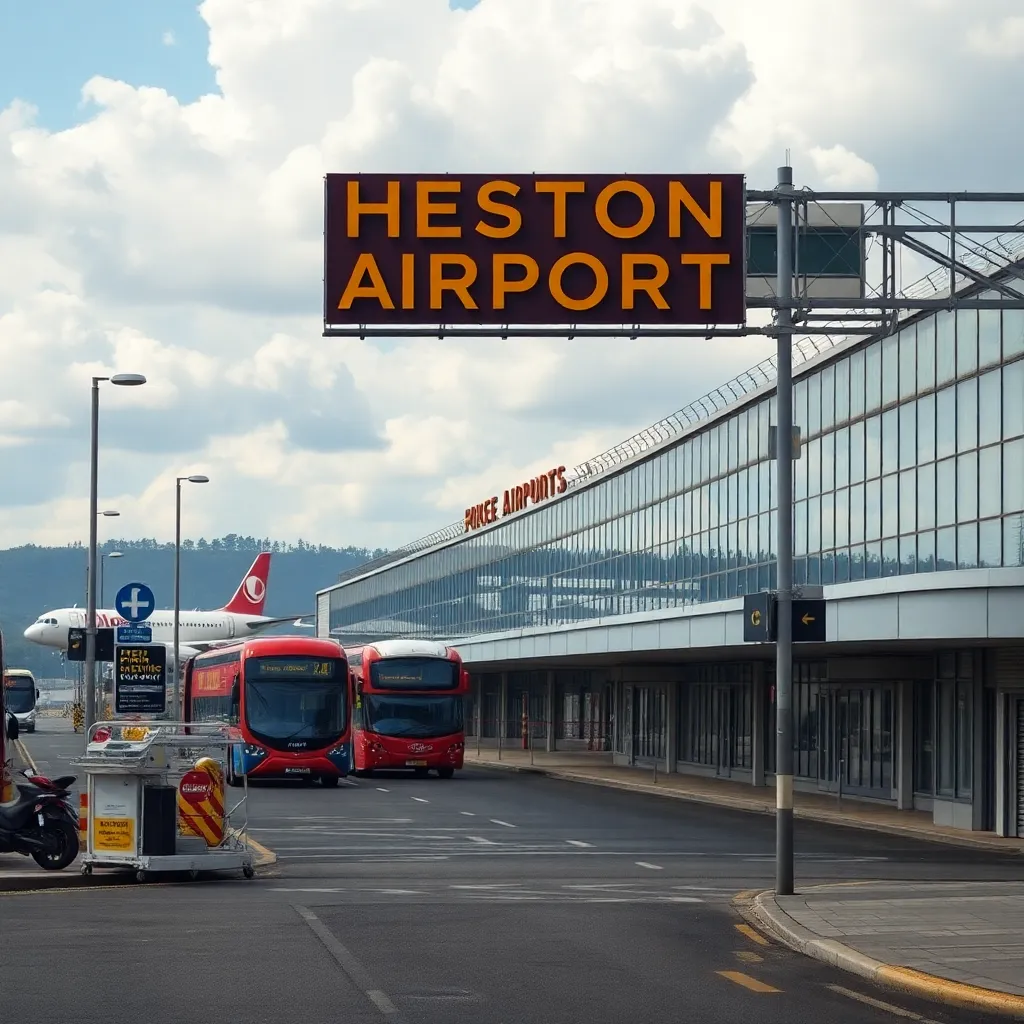
Heston Airport, a significant “lost London” site from Paul Knox’s book, rapidly developed from a private flying field into a full airport with customs and immigration by 1919. Regular passenger services commenced in 1933, notably Spartan Air Lines’ flights to Cowes. By 1934, Heston was London’s second busiest airport, handling nearly 4,000 flights and over 12,000 customs clearances annually, leading to the implementation of full air traffic control.
Beyond its commercial success, Heston became a vibrant social hub for London’s elite, attracting figures like Harry Gordon Selfridge and HRH the Prince of Wales. It hosted exclusive events, including the Household Brigade Flying Club’s Garden Party Flying Displays, and served as a base for wealthy private aircraft owners enjoying joyrides, aero racing, and continental tours, exemplified by a 1930 expedition featuring a “flying cash box” for the participants.
The airport’s strategic value led the Air Ministry to acquire it in 1937 for a planned London airport network. Heston gained global fame in September 1938 as Prime Minister Neville Chamberlain returned from Munich, presenting his “Peace for our time” agreement. During WWII, civil aviation ceased, and Heston transformed into a vital photographic reconnaissance base, hosting RAF Spitfires, Hurricanes, a Polish squadron, and various US Army Air Force units.
Post-war, Heston, like Croydon, was deemed inadequate for modern civil aviation due to urban encroachment and limited space. Its final closure in 1947 was due to air safety risks posed by its proximity to the burgeoning Heathrow Airport. The site was subsequently redeveloped for social housing and the M4 motorway, including Heston Services. Only Austin and Murrell’s concrete hangar, a Grade II listed building, remains as a tangible link to this historically rich, lost airport.
(Source: https://londonist.com/london/history/heston-airport-lost-london)