High Noon Stage Play: Critics Applaud Cast, Split on Adaptation
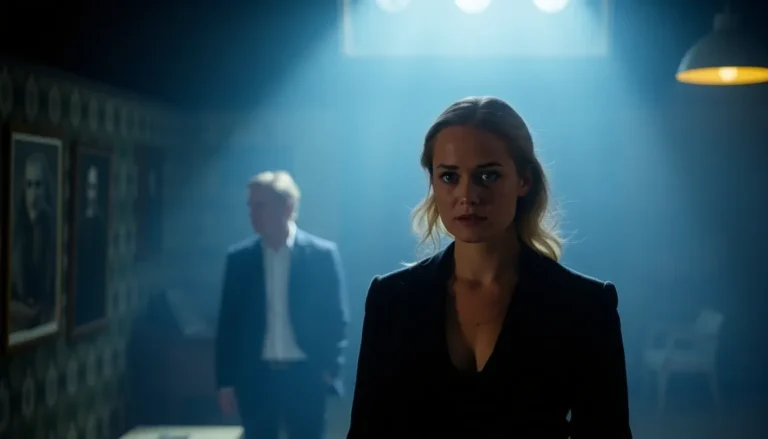
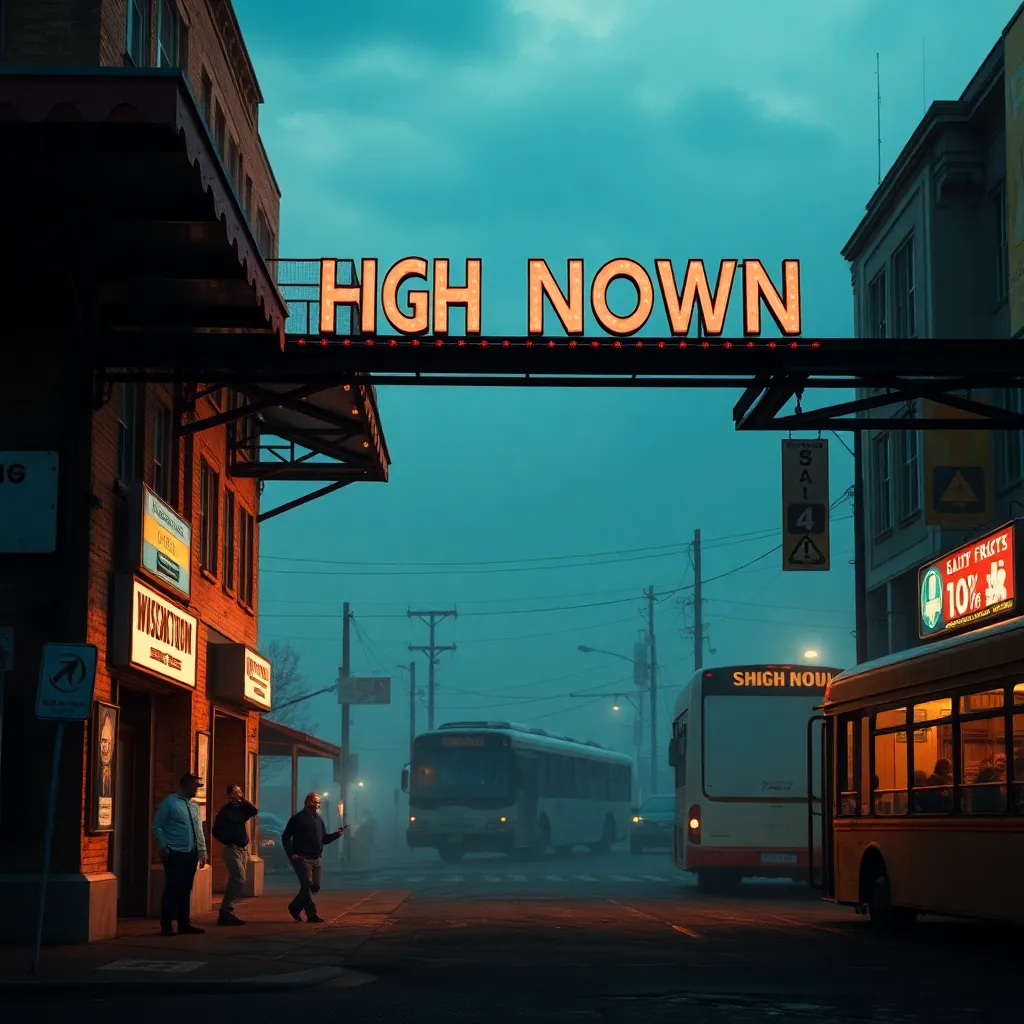
The world premiere of “High Noon” at the Harold Pinter Theatre has elicited a spectrum of responses from London’s theatre critics, marking a mixed reception for this highly anticipated stage adaptation. This production reimagines Fred Zinnemann’s iconic 1952 Hollywood western classic for the stage, directed by Olivier Award winner Thea Sharrock and featuring a script by Oscar winner Eric Roth. The narrative centers on Marshall Will Kane, portrayed by Billy Crudup, who, on the verge of retirement and marriage to Amy Fowler, played by Denise Gough, faces the imminent return of his dangerous old enemy, outlaw Frank.
Despite the critical division, several aspects of the production have garnered significant acclaim. Critics widely praised the exceptional performances of the cast, with particular emphasis on the compelling lead portrayals by Billy Crudup and Denise Gough. Additionally, the sophisticated set design and overall staging received positive recognition for their contribution to the theatrical experience. For some reviewers, the adaptation’s bold decision to modernize the original story’s thematic elements and allegorical concerns resonated powerfully, offering a fresh and relevant perspective on classic dilemmas.
However, the adaptation’s core challenge lies in its relationship with the beloved source material. A prevailing sentiment among most critics is an unconvinced stance regarding whether the stage play truly does justice to the original film’s enduring legacy and impact. The very modernizing of the story’s themes, which some found resonant, struck others as forced or “hokey,” leading to a significant divergence in critical opinion. This disparity underscores the inherent risks involved in reinterpreting a cinematic masterpiece for a new medium and a contemporary audience.
Ultimately, “High Noon” on stage is a production characterized by its strong individual performances and technical prowess, yet it struggles to achieve universal critical consensus on its faithfulness and interpretive success. The adaptation’s attempt to infuse modern relevance into a classic narrative has created a polarizing experience, leaving audiences and critics to weigh its merits as a standalone theatrical piece against the formidable shadow of its cinematic predecessor.
(Source: https://www.londonboxoffice.co.uk/news/post/review-round-up-high-noon-harold-pinter-theatre)