Hit Machine at Soho Theatre: Why West End Music Drama Matters
A Compelling Story Takes Stage in the Heart of Soho
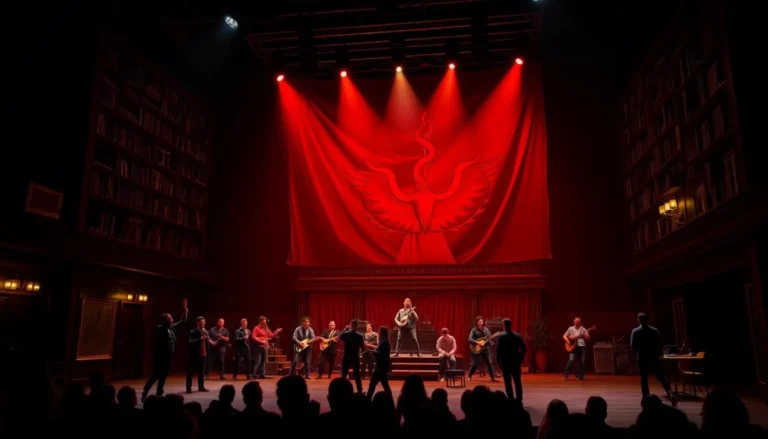
Tucked away in Soho’s vibrant cultural quarter, the intimate Soho Theatre is hosting an emotionally charged production that’s resonating deeply with audiences across London. Hit Machine tells the story of two brothers at a crossroads—Wes, a high-powered music producer fielding calls from A-list clients, and Alex, a struggling musician desperate to reconnect with his older brother. Their fractured relationship mirrors many dynamics locals recognize in their own lives, making this production feel intensely personal despite its theatrical setting. The Soho neighbourhood itself has long been synonymous with creative expression and the music industry, so it’s fitting this venue hosts a show exploring the raw realities of the music world. The Theatre’s intimate 70-seat setting creates an atmosphere where every emotion resonates directly with the audience, from heart-wrenching confrontations to moments of musical harmony. Unlike the grand spectacles you might catch at major attractions like the London Big Ben area or the British Museum exhibitions, this production thrives on closeness and authenticity. Running through Saturday, 15th August 2026, it’s a limited engagement that captures something essential about human connection.
Local Creative Community Celebrates Original Music and Talent
The production brings together exceptional creative talent, with performances from Josh Radnor as Wes and Noah Galvin as Alex, supported by Khalil Madovi as Defy. What makes this show particularly special for London’s music community is its original score, crafted by Ben Harper, CJ Harper, and Khalil Madovi. The music itself deserves centre stage—it’s soulful, groovy, and immediately memorable, with each songwriter’s influence distinct yet harmoniously blended. For local musicians and industry professionals, watching these characters navigate the tension between commercial success and artistic authenticity speaks directly to challenges they face daily. The Theatre’s location serves artists, patrons, and music lovers who’ve long championed the West End’s reputation as a hub for innovative storytelling. Community members invested in supporting British theatre will appreciate how this production showcases emerging talent alongside established names. The show’s exploration of creative partnership and reconciliation through music resonates with Soho’s identity as a neighbourhood where musicians, producers, and artists have historically gathered. Local music venues and independent theatres like Soho Theatre remain vital to London’s cultural ecosystem, offering alternative experiences to major tourist attractions.
What Audiences Need to Know: A Show That Speaks to Everyone
If you’re looking for intelligent, emotionally engaging theatre in London, Hit Machine deserves your attention. Unlike the crowded queues at major london attractions or exhibitions at established museums, Soho Theatre offers accessible, thought-provoking entertainment. The production balances comedy with genuine tenderness, making it suitable for adults seeking meaningful cultural experiences. The narrative’s exploration of sibling relationships, parental expectations, and the redemptive power of creative collaboration feels urgent and relevant in today’s world. Residents should book soon, as the August 2026 closing date means limited availability. Tickets support local theatre infrastructure, keeping Soho’s creative spaces viable for future productions. The show’s themes will stay with you long after the final note—audiences consistently leave humming the original songs and reflecting on their own relationships. For those seeking where to go in London beyond typical tourist hotspots, Soho Theatre represents the beating heart of independent West End theatre. Whether you’re a musician, a theatre enthusiast, or someone who simply values authentic storytelling, Hit Machine offers something special. Consider this your window into understanding why London’s diverse theatre community remains essential to the city’s cultural vitality and why supporting local venues matters.