London’s Gas Lamps: Four Gaslit Favourites Worth a Night Walk
Four Gaslit Favourites in Covent Garden and Beyond
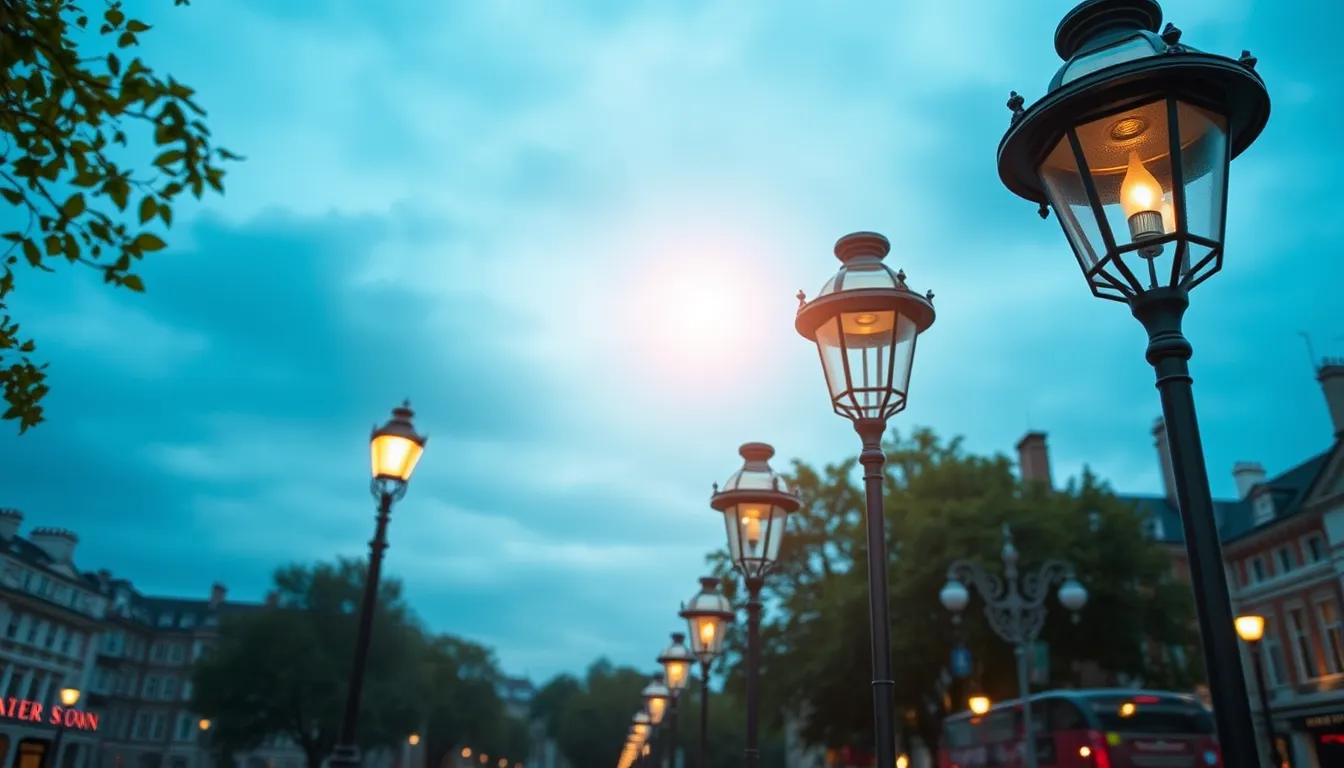
Anyone who walks the streets around Covent Garden after dusk will notice a soft, flickering glow that looks nothing like modern LED lighting. That glow comes from gas lamps, and roughly 1,300 of them still burn across London, the last survivors of a network that once lit the entire city. Two local experts, Tim Bryars and Luke Honey, who run the London Gasketeers project and wrote London By Gaslight, have picked four favourites that are well worth seeking out.
Tim’s first choice is the pair of lamps on Cecil Court, WC2. Dating from the 1890s, they have a quirk that sets them apart: the ladder bar, where the lamplighter once rested his ladder, sits on one side of the column only. The Westminster City Council crest on the base is a reminder of who looks after them. Just across St Martin’s Lane, Goodwin’s Court is lit entirely by three Grosvenor lamps on ornate iron brackets. The court itself dates to the late 17th century and feels a world away from the crowds on nearby streets.
Luke’s picks take you deeper into the area. A rare late Victorian lamp in Blue Ball Yard, under an archway off St James’s Street, was built for narrow passages, and its polished back plate bounces extra light into the alley. Nearby, a Windsor lamp on the brick wall of the Lamb & Flag pub in Rose Street dates from the early 20th century, and a plaque beneath an electric lamp recalls the 1679 attack on the poet John Dryden.
Lamplighters, Bookshops and the Fight to Keep the Flame
What makes these lamps more than pretty fixtures is the people who keep them alive. Tim’s Cecil Court lamps are controlled by clockwork timers introduced in the late 1920s, and the clockboxes fitted to them have been in place for roughly a century. Lamplighters still visit every couple of weeks to wind the mechanisms and polish the glass, a ritual that many residents and shopkeepers quietly rely on as part of the street’s rhythm.
The bookshops of Cecil Court have a particular stake in the story. It was outside Tim’s shop that council workmen first mentioned plans to convert the surviving gas lamps to electricity, and that conversation sparked the campaign to save them. For independent booksellers and cafe owners in the area, the lamps are part of the character that draws visitors in the evening, and any change to the street’s lighting would be felt in footfall and atmosphere.
The street also carries literary history. In 1934, T.E. Lawrence was sketched in the shop opposite Tim’s, and that portrait later became the frontispiece of one of the earliest bibliographies of his work. Residents who value that heritage have good reason to speak up if the lamps are discussed again, because the decisions made now will shape how these streets look for the next generation.
Plan Your Gaslit Walk and What to Watch Next
If you want to see these lamps for yourself, the easiest approach is to follow the London Gasketeers map. Many gas lamps survive in chains or clusters, so a route can take you from Cecil Court to Goodwin’s Court in a few minutes, then on to Rose Street and the Lamb & Flag. Go after sunset, when the light makes the most difference, and allow time to stop and look at the ironwork, ladder bars and council crests. Travel by Covent Garden or Leicester Square tube stations keeps the evening simple.
For a fuller evening, pair your walk with a London museum visit or a London exhibition on the history of street lighting, which can put the lamps in context. A longer route heading towards Whitehall and Big Ben also gives you a sense of how gas and electric lighting have shared the city’s streets over more than a century. These are the kinds of outings that make the city’s history feel close and visible.
What should residents watch next? The main question is whether the surviving gas lamps will be preserved or converted to electric power. Keep an eye on Westminster City Council consultations and local amenity groups, and make your views known if proposals come forward. Until then, the best way to support the lamps is simple: walk the routes, support the shops along them, and tell friends where to find them.
Source: Gas Lamps: London Gasketeers Choose Four Of Their Faves
If you plan to visit London gas lamps after dark, bring comfortable shoes and allow extra time to wander the quieter side streets.
Although Buckingham Palace is better known for its daytime changing of the guard, the gas-lit streets surrounding it make for a graceful evening stroll.