London’s Northern Line: The Great Naming Debate of 1926
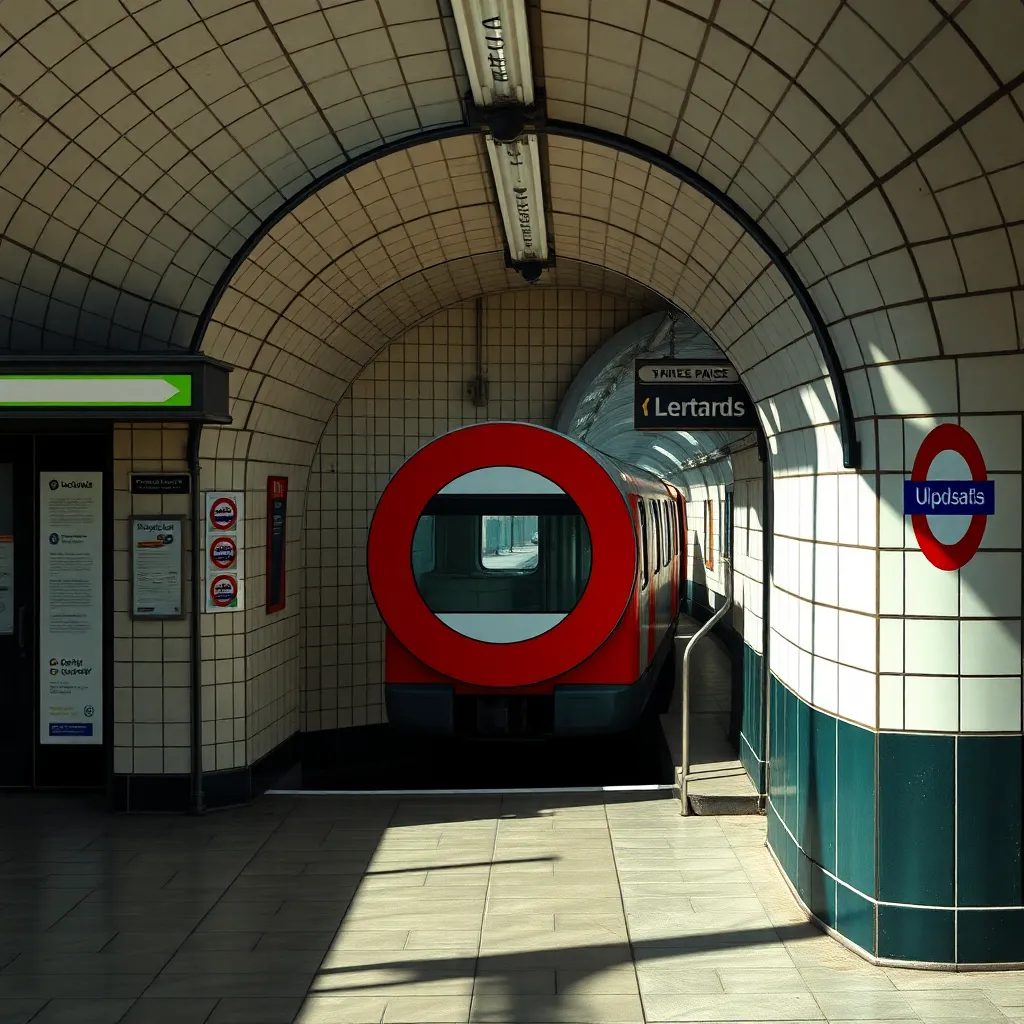
In 1926, the impending opening of London’s newly unified tube line sparked a widespread public debate over its name. Formed from the merger of the Charing Cross, Euston and Hampstead Railway (CCE&HR) and the City and South London Railway (C&SLR), along with significant extensions to Edgware and Morden, the line desperately needed a concise identifier beyond its cumbersome original combination. The Daily Express reported a “fever of excitement” as people sought a name as snappy as the Bakerloo portmanteau.
Numerous suggestions emerged, showcasing both creativity and impracticality. Some proposed variations on station names, such as “Edgemor” or “Balhamstead Railway,” aiming for geographical relevance. Lieutenant Colonel John Theodore Cuthbert Moore-Brabazon suggested “the Test Tube,” viewing the line as a prototype for future expansions. Other ideas included the functional “E.C.M. line” (for Edgware, City, Morden) or the descriptive “Cross-River line.” Satirical contributions included “The Dashfield line,” poking fun at UERL Chairman Lord Ashfield, and a suggestion from the Sporting Times based on a breakdown, which would quickly become dated. An enterprising reader even proposed “N.E.S.T.” (Northern, Eastern and Southern Tube) with an awkward slogan.
The article implicitly highlights the benefits of a clear, memorable name, avoiding the confusion of complex acronyms. Conversely, it illustrates the risks of names that are too long, geographically inaccurate (like the eventual “Northern Line” with its many southern stations), or quickly lose relevance. The most whimsical ideas came from the Daily Express’s ‘Beachcomber’ column, suggesting idyllic names like “Como” or “Capri.”
Ultimately, the line initially operated as the “Morden-Edgware line” before officially becoming the “Northern line” in 1937, a name recognized for its geographical irony. Today, London Underground envisions decoupling the line’s branches, potentially reviving fanciful names like “Capri” and “Como” for future use.
(Source: https://londonist.com/london/transport/a-century-ago-what-to-call-the-northern-line)