Regent Square: Bloomsbury’s Hidden Gem of History and Oddities
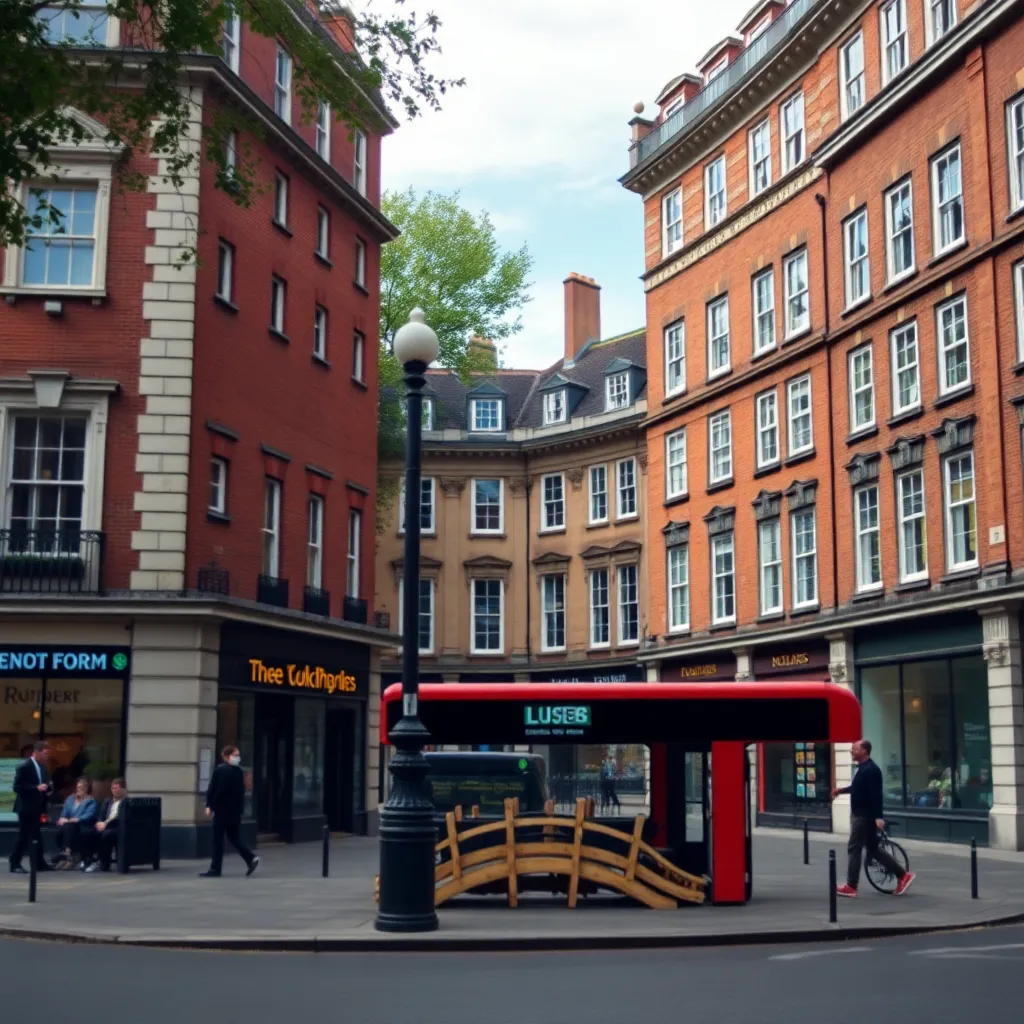
Regent Square, often overlooked among Bloomsbury’s famous squares, is a fascinating two-to-three-acre site in north-east Bloomsbury, near King’s Cross. Laid out in the late 1820s on former fields belonging to Thomas Harrison, it was named after the Prince Regent. Unlike its more affluent counterparts, Regent Square consistently housed a mix of middle-class and poorer residents, making it a place where significant, often tragic, events unfolded.
The square’s history is marked by macabre incidents and wartime devastation. It was the scene of two notorious murders: in 1917, the dismembered body of Emelienne Gerard, killed by Louis Voisin, was discovered there, leading to a sensational trial. Earlier, in 1893, a jealous Leo Percy committed a double murder-suicide involving his ex-girlfriend Daisy Montague and her new partner. A devastating V-2 rocket strike on February 9, 1945, caused widespread destruction, killing 34 people and injuring 121. This attack destroyed the Presbyterian church (now Lumen church) and severely damaged St Peter’s church, which was later demolished. Every building in the square suffered some degree of damage during the war.
Despite its bleak past, Regent Square is peppered with unique curiosities that offer a different kind of historical and artistic interest. Among these are a series of “pointless” black bollards, part of a 1999 conceptual art installation by Judith Dean, and sculptural birds by Johanna van Benthem hanging in the central plane tree. A faded “ghost sign” for Bates & Co. chemists on a 19th-century terrace advertises “Cures wounds & sores,” a poignant reminder of past ailments. The square also features St George’s Gardens, a peaceful public garden converted from a divided burial ground, which houses the grave of Oliver Cromwell’s granddaughter, Anna Gibson, and a statue of Euterpe, the muse of music. Nearby, a plaque commemorates “Stella and Fanny,” two cross-dressers whose 1870 arrest and subsequent acquittal marked a significant moment in British LGBT history. Regent Square, with its blend of historical tragedy and quirky features, truly deserves greater recognition.
(Source: https://londonist.com/london/history/the-forgotten-square-of-bloomsbury)