
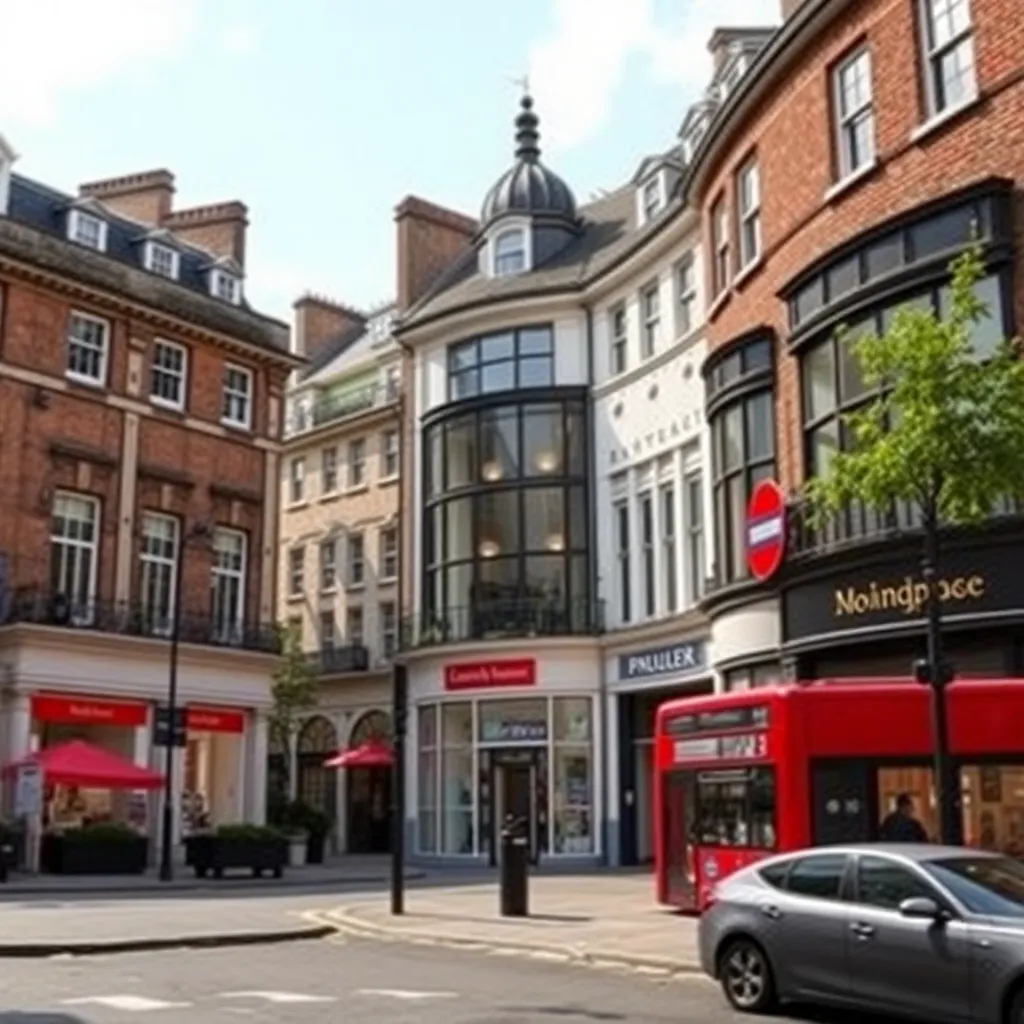
Seven Dials: From Slum to Chic London Landmark
Seven Dials, a vibrant shopping and theatre district in London’s Covent Garden today, possesses a rich and often notorious past as a 17th-century slum. Its transformation is stark, having once been referenced for its undesirability by literary figures like Charles Dickens and John Keats, and serving as a setting for Agatha Christie’s “The Seven Dials Mystery.” The area’s distinctive name originates from a central pillar featuring six sundials, with the column itself ingeniously declared the seventh dial to accommodate seven converging roads, a last-minute design change from an initial plan for six. This unique, triangular layout was conceived by politician Thomas Neale in the 1690s.
Neale’s intention was to capitalize on the area’s development by maximizing properties, charging rent based on house frontage. However, his vision for a thriving locale quickly failed. Flexible leases encouraged subdivision, leading to rapid decline and transforming Seven Dials into a dangerous slum by the mid-18th century, requiring 39 night-watchmen. Its impoverished conditions rivalled nearby St Giles, and it’s widely believed to have inspired William Hogarth’s “Gin Lane,” a powerful commentary on societal decay.
The area’s turbulent history extended to its iconic central pillar. The original 1690s sundial column, created by St Paul’s Cathedral stonemason Edward Pierce, was removed in 1773 after becoming a gathering point for “undesirables.” It later found a new home in Weybridge, Surrey, repurposed as a memorial to Frederica Duchess of York, with its original dial stone serving as a horse mounting block. A faithful replica was finally installed in Seven Dials in 1988-89. Today, only two original 17th-century houses, 61 Monmouth Street and 64 Neal Street, remain as physical ties to an area that has remarkably evolved from destitution into a fashionable London destination, even lending its developer’s name to the colourful Neal’s Yard.
(Source: https://londonist.com/london/history/seven-dials-covent-garden-history-trivia-secrets)