The Curious History of London’s First Traffic Island
A Humble Slab of Tarmac With a Story to Tell
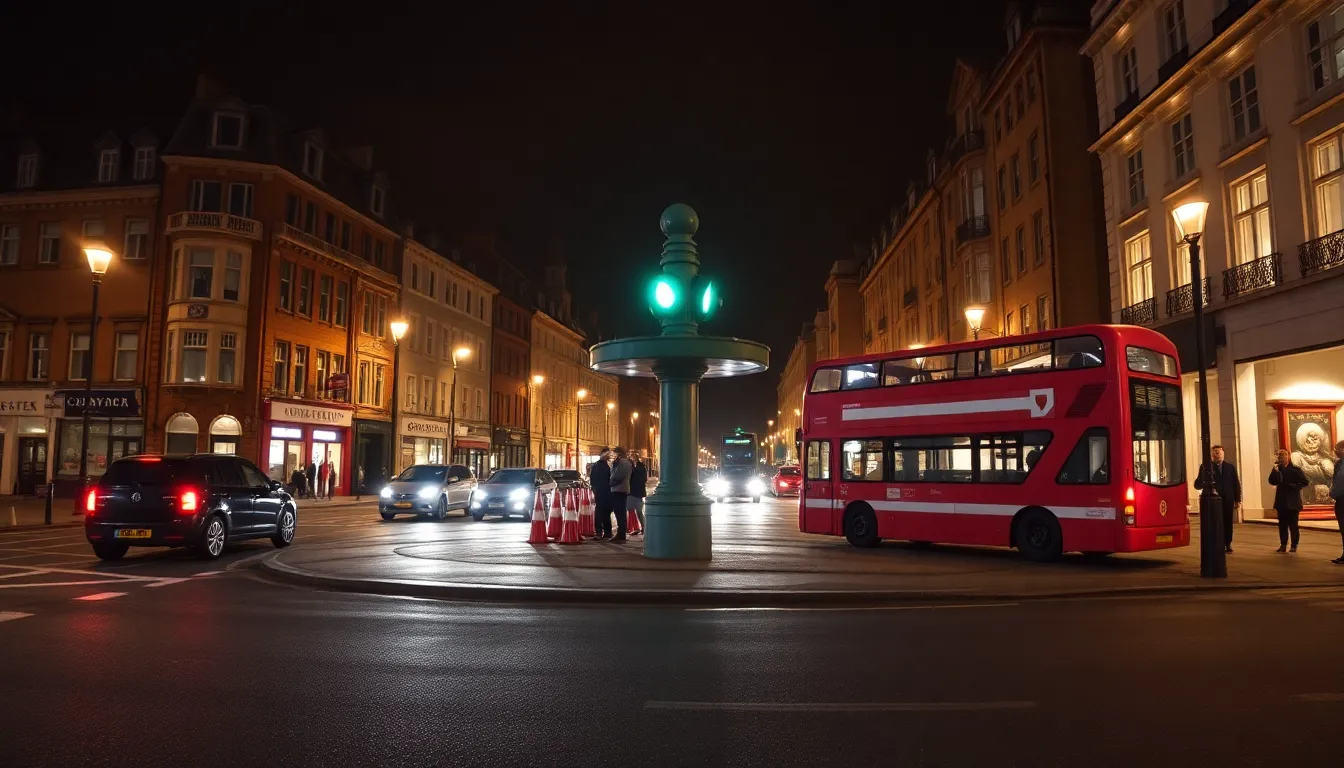
Walk along St James’s Street towards Piccadilly and you’ll likely stride straight past it: a modest traffic island so unremarkable it barely registers. Yet locals in the know will tell you this patch of kerb and tarmac has a claim to fame — it’s said to be London’s very first traffic island, installed back in 1864. Unlike the grander pedestrian refuges near Whitehall London or the sweeping plazas around Big Ben, this is traffic-calming at its most understated. It sits at the junction of two of the capital’s most storied thoroughfares, surrounded by gentlemen’s clubs, bespoke tailors, and centuries-old wine merchants. For residents who’ve lived in St James’s for decades, this island is a quiet reminder that even the most overlooked corners of London carry weight. It’s easy to dismiss street furniture as merely functional, but this crossing point tells a story about how Victorian London grappled with an early traffic problem — and how one determined resident’s petition changed the streetscape forever.
Colonel Pierpoint and the Vestry’s Bold Experiment
According to local lore, the island’s origin traces back to Colonel Pierpoint, an elderly veteran of the Napoleonic Wars and a member of White’s, the exclusive club still standing on St James’s Street today. Frustrated by the danger of crossing the busy junction to reach his club, Pierpoint petitioned the local vestry — the forerunner to today’s council — to install a refuge so pedestrians could cross one lane of traffic at a time. His request was granted, and the island opened to great acclaim as London’s first of its kind. Sadly, tradition holds that Pierpoint was struck and killed by a passing carriage on the very day his safety measure debuted — a grim irony that has since become part of St James’s folklore, whether entirely factual or gently embellished over 160 years of retelling. Local historians and community groups have long debated the veracity of the tale, much as they might question stories tied to other London museum archives or plaques scattered across the city. True or not, the story endures because it captures something distinctly London: civic improvement born from personal inconvenience, and tragedy shadowing triumph.
Why This Matters to Today’s Londoners
So why should residents care about a Victorian traffic island tucked between clubs and champagne bars? Because it’s a reminder that London’s streets are layered with forgotten histories — from Tyburn’s gallows beneath a modern crossing to war memorials at Hyde Park Corner. These are the small landmarks that make up the fabric of where to go in London beyond the obvious tourist trail. If you’re planning a walk through St James’s, consider pairing it with a stop at a nearby London exhibition or gallery to round out the afternoon, then seek out this unassuming island yourself. Local history groups occasionally run walking tours highlighting these hidden stories, and residents are encouraged to support them — they keep community memory alive. Next time you’re crossing at Piccadilly, spare a thought for Colonel Pierpoint, whose civic-minded gesture, whether myth or fact, still protects pedestrians today. Keep an eye out for local heritage societies proposing new plaques or markers; grassroots recognition like this is often how London’s quieter histories finally get their due amongst the city’s famous attractions.