Untold Stories: How the DLR Reshaped East London’s Community
The DLR’s Grand Debut and Royal Hiccups
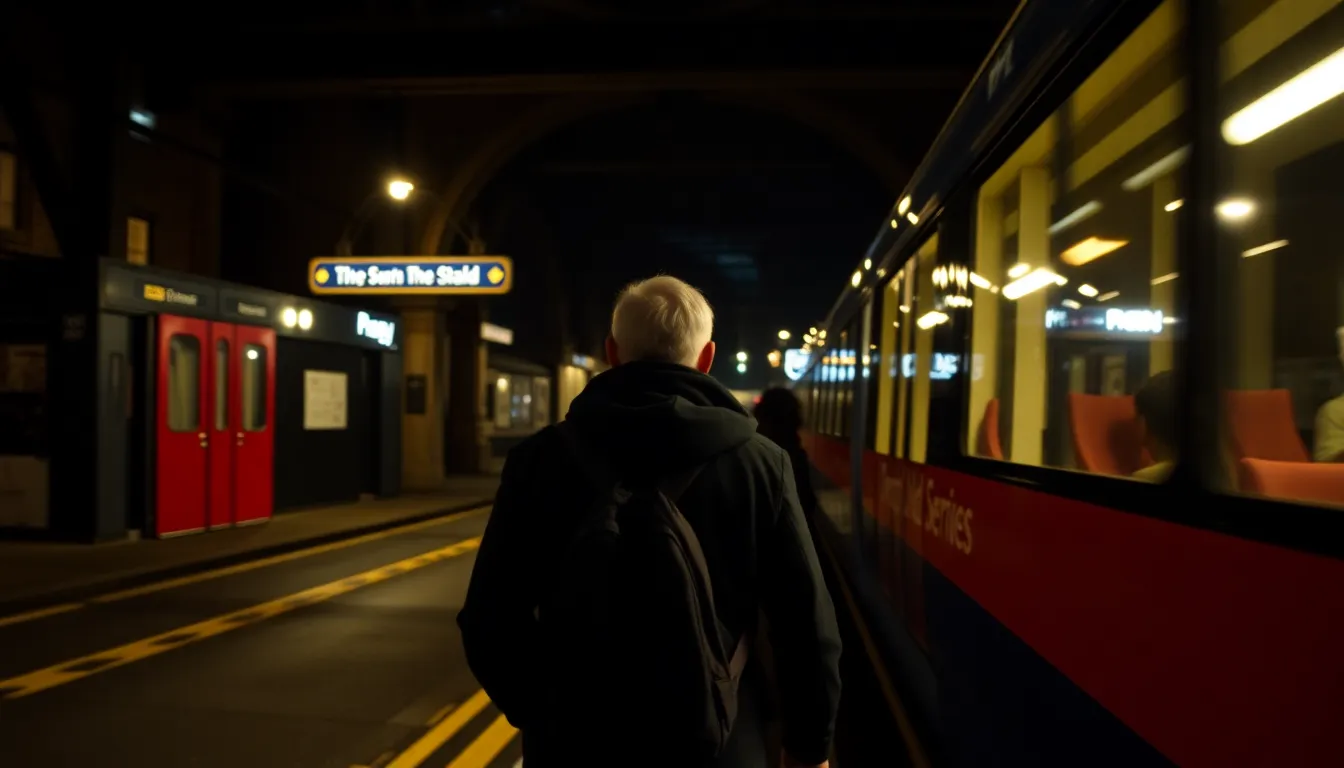
The Docklands Light Railway (DLR) is a familiar sight to East Londoners and visitors alike, its driverless trains gracefully navigating viaducts and dipping under the Thames. While it feels distinctly futuristic even today, its origins trace back to a groundbreaking launch on July 30, 1987. Her Majesty Queen Elizabeth II herself had the honour of being the first passenger, even performing the now-iconic ‘pretend to drive’ manoeuvre. Accompanied by the Duke of Edinburgh, the royal couple reportedly paid their 40p fare before boarding. However, this historic journey wasn’t without its minor mishaps. The automated train paused too long at one station and stopped short at another, prompting alarm when royal bodyguards, accustomed to motorcades, tried to force doors open prematurely. These small glitches were quickly resolved by manual override, marking an amusingly human start for what would become a cornerstone of London’s transport infrastructure and a catalyst for community growth in the East.
From Derelict Docks to a Visionary Railway
The DLR didn’t just appear fully formed on that summer’s day. Its fascinating origin story began in the 1970s, a time when London’s historic docks, once teeming with activity, had largely closed down. These vast stretches of land, ripe for redevelopment, lay largely derelict, crying out for revitalisation. Various ambitious schemes for new offices and homes were considered, all dependent on robust new transport links. Light railways and ‘minitrams’ emerged as the preferred solution, outlined in a 1973 report. The real momentum began in 1981 with the establishment of the London Docklands Development Corporation (LDDC), tasked with regenerating the area. They commissioned London Transport to plan this vital new railway. An anonymous senior project team member, referred to as ‘Sam,’ played a crucial role in bringing the DLR from a concept on paper to reality, navigating the complex planning and construction challenges that would ultimately reshape the entire Docklands community.
A Lifeline for Locals and london attractions
What started as a modest system has since expanded dramatically, connecting vital parts of East London and becoming an integral part of daily life for thousands of residents. The DLR’s extensions have linked it to stations named after historical figures and connected it with major lines like the Jubilee and Elizabeth lines, truly weaving it into the fabric of the capital’s transport network. For those who visit London, the DLR offers a unique perspective on the city, gliding through modern business districts and past historic sites. It serves not only as a crucial commuter link but also as an accessible gateway to many of London’s exciting modern landmarks and historical sites. It has undeniably become a key part of what to do in London, guiding both residents and tourists to various london attractions and contributing significantly to the social and economic vibrancy of the communities it serves.