Billy Waters: The Regency Street Performer Dancing Back into London
The Street Dancer Who Stopped London in Its Tracks
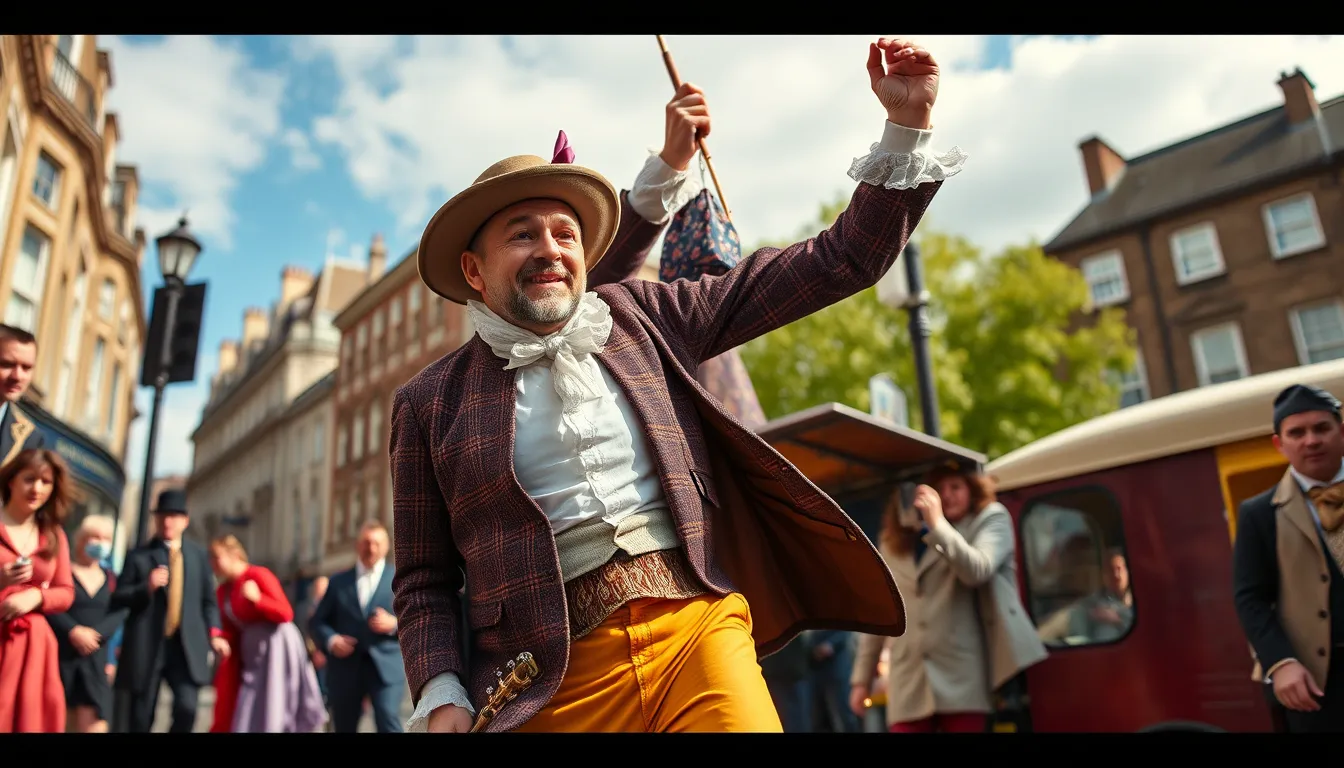
If you have ever wandered through Charing Cross on a busy weekday, you will know how hard it is to get anyone to stop for more than a few seconds. Two hundred years ago, one man could do it reliably. William ‘Billy’ Waters was a familiar figure in the West End in the early 1800s, singing, dancing and drawing crowds on the streets around Charing Cross and the approaches toward Whitehall. Contemporaries described him in glowing terms, and one remarked that every child in London knew him. He was recognisable by his feathered military hat, sailor’s jacket and the wooden leg that became part of his act. For a city already full of noise and competing performers, Waters stood out. Today, his name has largely faded from public memory, which is why a new permanent display at the London Museum matters so much. It gives Londoners a chance to put a face and a story to a performer who once shaped the sound and spectacle of the city’s streets. If you live or work in central London, he is a piece of your neighbourhood’s past worth knowing about.
From Navy Sailor to Regency Star
Waters’ story is one of reinvention. Born in New York around the time of the American Revolution, he later served in the British Navy and was quickly promoted to Petty Officer. Only months after his promotion, in March 1812, he fell from the main yard of HMS Ganymede, badly injuring both legs and losing one of them. The injury ended his naval career and left him with a pension of £20 a year, far short of what a growing family needed. So he turned to the one skill nobody could take away: performance. By 1819 he was earning a living singing and dancing around the West End, enough to support a wife and children. His reputation grew to the point that artists George and Robert Cruikshank depicted him in a crowded pub scene around 1820, with music, laughter and rowdy drinking swirling around him. The stage musical Tom and Jerry; Or, Life in London, which premiered in 1821, went further and turned him into a stage character. That adaptation spread his name across Britain and America, but it also overshadowed the real man, and his fortunes declined. Waters died in a London workhouse in 1823, yet at least 20 British newspapers ran his obituary, a sign of how well known he had become.
How Londoners Can Explore His Story Next
The story of Billy Waters offers a practical guide for anyone looking for something new to do in the capital this autumn. The permanent installation at the London Museum opens in November and is the most accessible way to meet him, with the displays expected to draw on prints, ceramics and printed material from the period. Pair a visit with a walk that begins at Charing Cross, where one of his known performance locations sat, and continues along Whitehall past the government buildings toward Big Ben. It is a short, lively route through some of the most historic streets in London, and it helps you picture the crowds he once worked to attract. For families and students, free classroom resources linked to the story are also available, and a BBC Radio 3 documentary has brought the story to a wider audience. Local residents might also consider checking museum listings before visiting, since opening hours and booking requirements can change, and watching for related talks or events. Ultimately, the story is a reminder that London’s past is full of people whose names were lost over time. Visiting this exhibition is a simple way to bring one of them back into the conversation.
Source: Billy Waters – The Black Street Performer Who Captivated Regency London
Travelers who plan to visit London today can still trace the footsteps of Billy Waters along its historic streets and theatres.