Royal Festival Hall: Post-War Icon’s Construction & Legacy
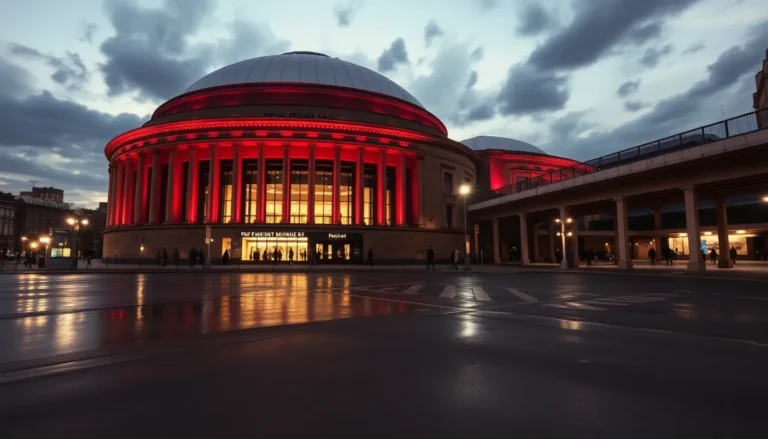
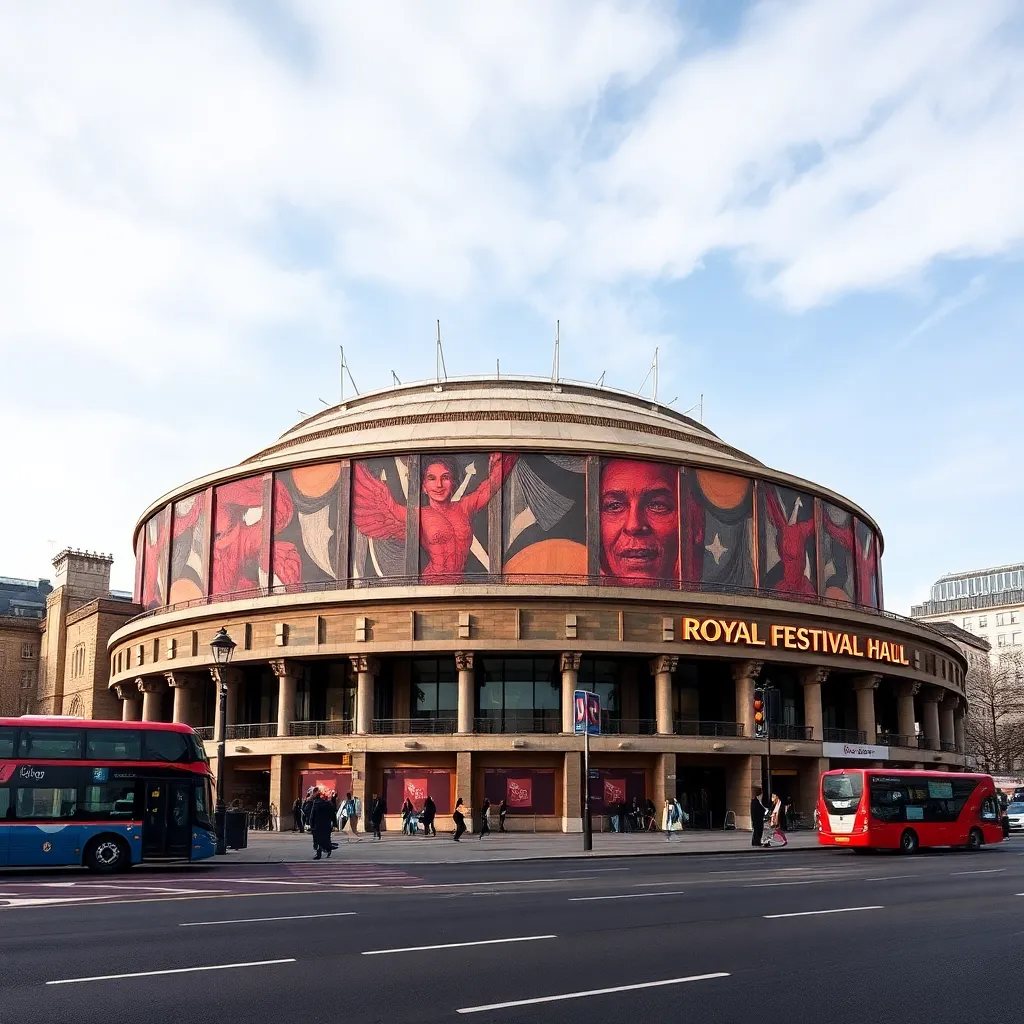
The Royal Festival Hall (RFH), slated to celebrate 75 years since its 1951 opening, stands as a profound symbol of London’s post-World War II recovery. Conceived as a “tonic” and a “tangible expression of a burning desire to create a better society,” it transformed industrialized marshland on the South Bank into a vibrant cultural institution. Architects Robert Matthew and Leslie Martin faced immense challenges, including draining the site, constructing a new river frontage, and fitting the massive 2,700-seat brutalist concert hall into a tight space surrounded by busy rail lines—a feat rarely attempted on such a scale before.
Upon its unveiling, the RFH elicited mixed reactions. While poet Erica Hesketh envisioned a “clean white box” offering spaces for public interaction, conductor Sir Thomas Beeching famously denounced it as “repellant, unattractive… ugly and monstrous.” However, time has solidified its place as an integral part of London’s cultural landscape, now often described by historian Dan Cruickshank as “a palace for the people.”
Architecturally, the RFH was groundbreaking. To ensure superior sound isolation from the noisy urban environment, the auditorium was ingeniously designed as an “egg” enclosed within the building’s outer structure, featuring two 25-centimeter-thick concrete layers and double doors at every entrance. Influenced by structures like Gothenburg’s concert hall and Finsbury Health Centre, its striking interior was clad in elm, sycamore, birch, and teak ribs, with unique “floating” boxes that even modern architect Le Corbusier found amusingly effective. Despite initial skepticism, the RFH remains a significant architectural and cultural landmark, continuously inspiring discussion and admiration.
(Source: https://londonist.com/london/history/royal-festival-hall-south-bank-construction)