London’s Historic Coal Tax Posts: A Legacy of Urban Development
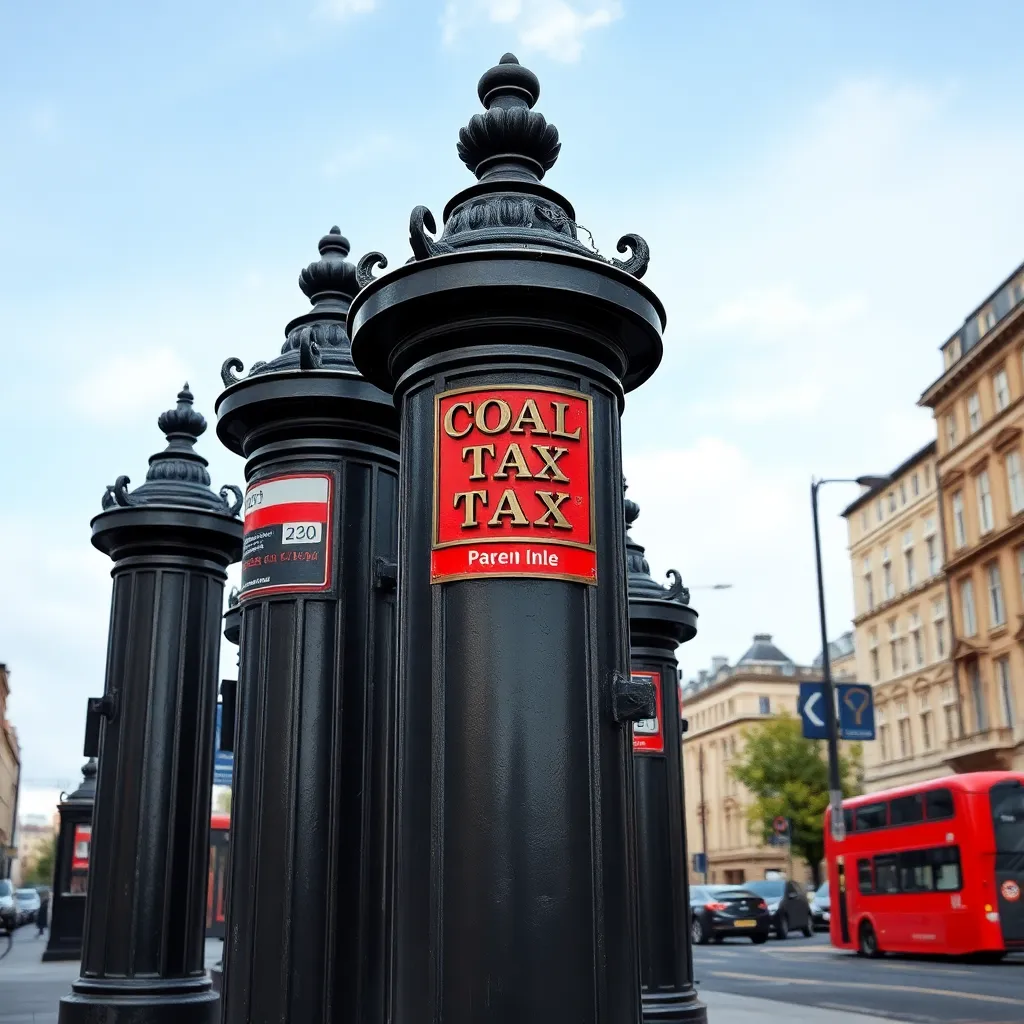
London’s outer reaches are encircled by over 200 distinctive cast-iron bollards known as coal tax posts. Standing about 1.2 metres high, painted white, and emblazoned with the City of London shield, these sentinels mark a historic 20-mile boundary (measured from the General Post Office near St Paul’s) where inbound coal merchants were liable to pay tax. Erected largely following the London Coal and Wine Duties Continuance Act 1861, they served as a reminder of the duty, akin to modern toll roads or the ULEZ charge, rather than a direct payment point. However, unlike ULEZ, their purpose was purely revenue generation, not environmental.
For centuries, coal was London’s primary fuel, making the city known as the “Big Smoke.” The revenue from coal tax played a pivotal role in shaping the capital. After the Great Fire of 1666, it funded the rebuilding of St Paul’s Cathedral and many Wren churches. Later, it enabled critical infrastructure projects like the Victoria Embankment and the extensive sewer system, which helped end the “Great Stink.” Further improvements, including Holborn Viaduct, New Oxford Street, and numerous road upgrades, also benefited from these duties. Initially collected at dedicated quays, the advent of canals and railways in the Industrial Revolution necessitated the physical boundary markers to manage widespread coal entry points, with examples found in places like Uxbridge, Dagenham, and Watford.
Despite the significant public works it financed, the coal tax was deeply unpopular. Many considered it unfair as it applied solely to London and its surrounding areas, increasing coal prices for residents who often saw little direct benefit from the City-centric improvements. This discontent eventually led to some duties being redirected in the 1870s to remove tolls from outer bridges, such as those at Kew and Kingston. Nevertheless, agitation persisted, and the levy was finally abolished in 1889. Remarkably, about three-quarters of the original 280 posts remain today, serving as tangible relics of a tax that profoundly influenced London’s development.
(Source: https://londonist.com/london/history/coal-tax-posts-and-where-to-find-them)