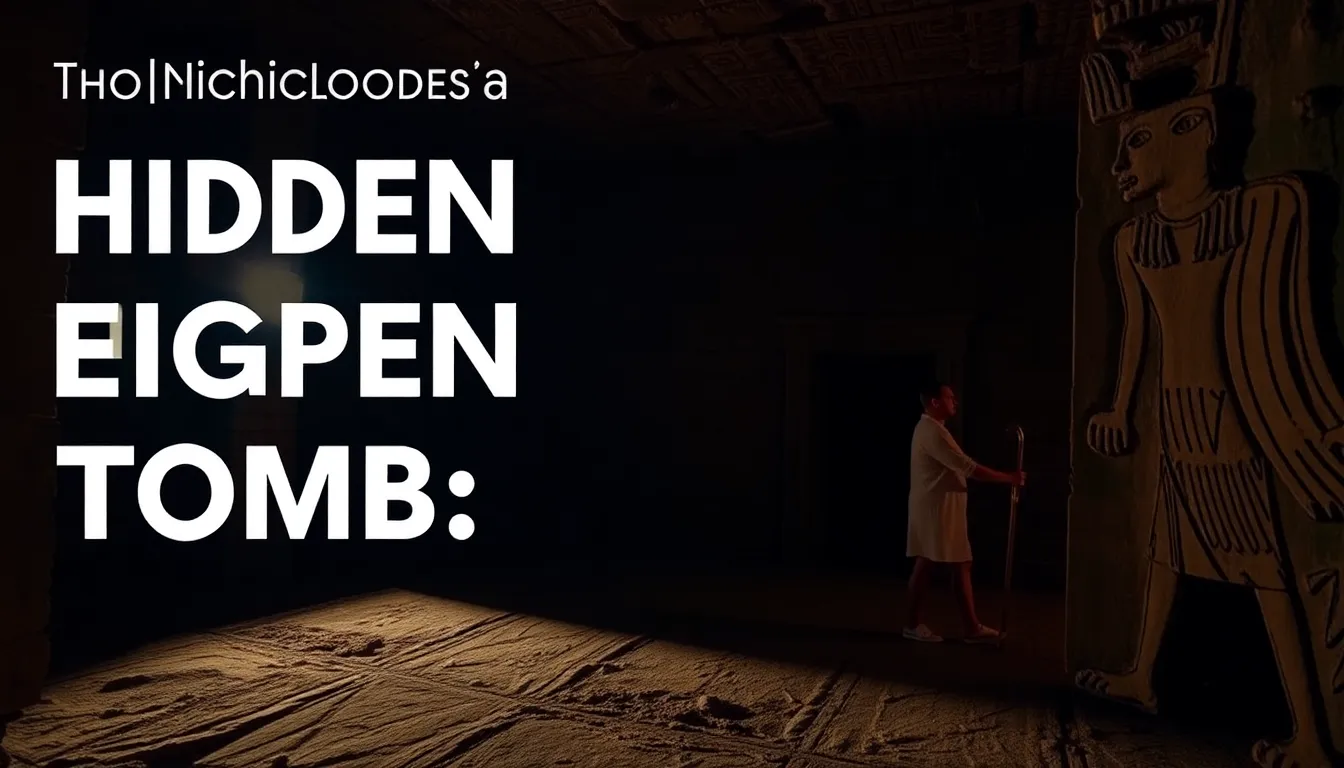
Richmond’s Hidden Egyptian Tomb: A Wandering Wonder
The Earl’s Obsession: A Love Story Carved in Stone
Behind the imposing three-metre walls of St Margaret’s sits one of London’s most extraordinary monuments—a testament to an aristocratic obsession that spans decades. The Kilmorey Mausoleum tells the story of Francis ‘Black Jack’ Needham, 2nd Earl of Kilmorey, whose elopement with his young ward Priscilla Anne Hoste in 1843 sent shockwaves through London society.
At 56, Kilmorey abandoned propriety for love, though scandal followed when his existing marriage came to light. The couple settled in adjacent houses to maintain appearances while their unconventional bond deepened. When Priscilla’s heart condition worsened in the early 1850s, the Earl commissioned architect Henry Edward Kendall to design an elaborate Egyptian-style tomb—a monument that would keep them together eternally.
Priscilla died on 21 October 1854, becoming the mausoleum’s first resident. The Earl, remarkably, would visit regularly over the next 26 years, even remarrying Martha (who apparently accepted this unusual domestic arrangement). When Kilmorey himself passed in 1880, the tomb finally held both lovers. Today, this hidden landmark offers locals and visitors a window into Victorian passion, wealth, and the lengths people would go for those they loved.
A Monument That Refused to Stay Put
What makes the Kilmorey Mausoleum genuinely unique among London landmarks is its extraordinary journey. Unlike the stationary monuments visitors encounter near Big Ben, London museums, and major exhibition spaces across the capital, this tomb has relocated four times—earning it the curious distinction of being London’s most peripatetic mausoleum.
Constructed from pink and grey Aberdeen granite by Henry Edward Kendall, the monument was assembled at MacDonald’s works in Scotland, tested for fit, then disassembled and shipped south. It first stood in Brompton Cemetery in 1853, where it remained relatively stable for a decade. But when Kilmorey purchased Woburn Park near Weybridge in Surrey around 1863, he demanded his beloved be moved—all 17 miles away.
The mausoleum’s final relocation came in 1868 when the Earl settled in St Margaret’s. Local legend suggests Kilmorey even had a tunnel constructed connecting his residence to the tomb’s garden, allowing him private access to visit Priscilla. This serial relocation sets the Kilmorey apart from every other significant burial monument in the capital. It challenges our understanding of how Victorians valued permanence, memory, and the bonds that transcended even death itself.
What Locals Can Learn and How to Visit
For Richmond and St Margaret’s residents, the Kilmorey Mausoleum represents a hidden piece of local heritage that deserves far greater recognition. Tucked away behind high walls, this architectural marvel remains largely unknown despite its historical significance and sheer scale. Local historian Andrew George has become instrumental in bringing this monument back into community consciousness through guided tours and education initiatives.
Access remains restricted but not impossible. Community groups occasionally arrange special viewings for interested locals, offering rare opportunities to step inside the walled garden and witness the tomb’s interior firsthand. Residents should contact local Richmond heritage organisations or check community notice boards for upcoming tours. The mausoleum’s story connects St Margaret’s to broader London history, positioning the quiet suburb as custodian of a genuinely extraordinary Victorian legacy.
Beyond the tomb itself, the monument sparks important questions about local heritage preservation. Should this structure receive greater protection? Could improved public access help tell untold London stories? Residents passionate about neighbourhood history might advocate for heritage status or community stewardship programmes. The Kilmorey represents untapped potential for local tourism and educational initiatives. By championing this hidden landmark, communities transform overlooked corners into meaningful destinations—proving that London’s most compelling attractions don’t always sit near Whitehall or announce themselves with fanfare.
Source: The Wandering Tomb Of Richmond: Inside the Kilmorey Mausoleum