When 13 Jazz Monkeys Escaped Across West London in 1926
A Century-Old Chaos: How 13 Performers Turned Notting Hill Upside Down
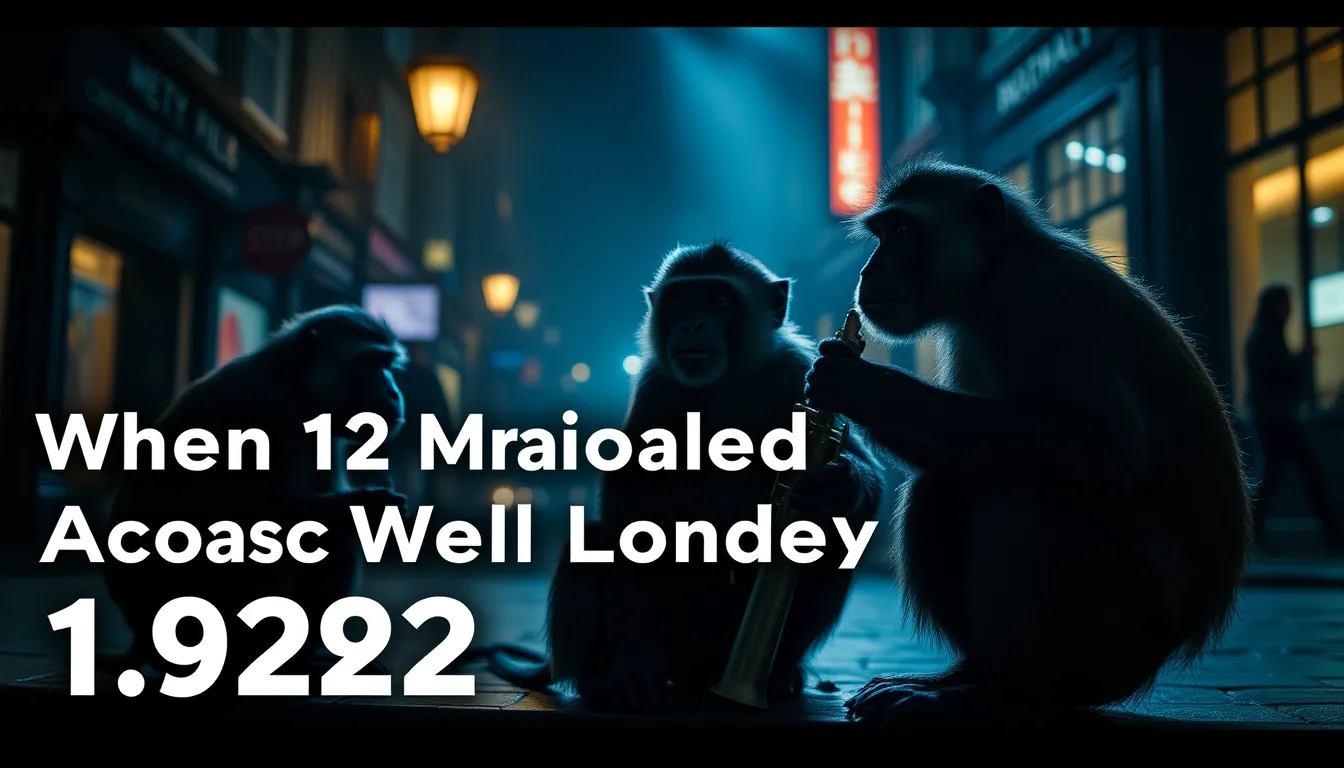
It sounds like fiction, yet it happened. On Friday, 19 November 1926, thieves broke into an amusement caterer’s premises on Latimer Road in Notting Hill, expecting to find poultry. Instead, they encountered something far more surprising: 13 performing monkeys, members of a travelling jazz ensemble. Startled, both the thieves and the primates fled into the West London streets.
These weren’t ordinary animals—they were professional musicians destined for a prestigious engagement at the World’s Fair, scheduled for Christmas Eve at the Agricultural Hall. Their sudden liberation created one of London’s most bizarre local incidents, transforming quiet Notting Hill neighbourhoods into a scene of controlled pandemonium.
The escape became a defining moment in West London community memory. Newspapers chronicled every detail as residents experienced an invasion they never anticipated. Today, this event remains a fascinating chapter in London museum collections and local heritage discussions, reminding us how even a century ago, our neighbourhoods generated stories worth remembering. The incident also highlights how communities band together during unexpected crises—a lesson as relevant now as it was then.
The Monkey Business: Community Impact and Local Alarm
For Notting Hill and surrounding areas, the monkey escape transformed daily life into genuine anxiety. Local residents faced unprecedented disruptions: children were threatened by aggressive primates hurling debris near Notting Hill Gate station; grocery shop owners suffered repeated raids; a woman in Mersey Street experienced genuine terror when ‘Issacs,’ described as a troublemaking trumpeter, entered her bedroom while her baby slept.
The psychological impact rippled through the community. One elderly resident, who’d kept her window open for a decade, permanently sealed it following a soot-covered monkey’s chimney escapade. Another woman fainted when encountering an unexpected visitor on her dresser during afternoon tea. Shopkeepers throughout Latimer Road documented losses ranging from stolen sweets to broken crockery, adding financial strain to the chaos.
Mr T Murphy, the animals’ owner, faced mounting bills and reputation damage. A £25 reward for capturing Franko—the bandleader and most valuable escapee, worth over £100—demonstrated the stakes involved. However, the incident unified Notting Hill’s fragmented neighbourhoods. Station staff, police, shopkeepers, and determined residents coordinated capture efforts. This collective response showcased how communities mobilise when facing shared challenges, creating bonds that strengthened local connections during an otherwise unsettling period.
Lessons from History: Why This Story Matters to Modern London
The 1926 monkey escape holds unexpected relevance for contemporary London. Explored in local museum exhibitions and heritage discussions, the incident illustrates how our city’s neighbourhoods possess deeper, more colourful histories than many realise. Notting Hill, today recognised as a prestigious London attraction and cultural centre, was then a working-class area facing genuine community crises—albeit unusual ones.
This historical event reminds us that London’s character emerges from countless untold stories. Whether documented at Whitehall London archives or referenced in local heritage programmes, such narratives reveal our city’s resilience and adaptability. The incident also demonstrates early modern community policing: residents and authorities working collaboratively rather than in conflict, setting examples for contemporary urban management.
For those interested in exploring London’s hidden histories, local museums increasingly feature forgotten stories like these—providing context for understanding how neighbourhoods evolved. The Notting Hill escape showcases why paying attention to local history matters: it connects us to our community’s roots and reveals universal human experiences transcending time. Whether captured at London exhibition halls or documented in local archives, these stories celebrate the unexpected, the resilient, and the distinctly human capacity to find meaning in extraordinary circumstances. Such heritage enriches our sense of place and belonging.
Source: When A 13-Piece Monkey Jazz Band Escaped, Running Riot Across West London